9 People Foods You Should Feed Your Dog for Better Health


Add these powerhouse foods to your dog's diet and reap the benefits
By: Rose Frosek
Last Updated:July 7, 2025
Add these people foods to your dog's diet! From turmeric to coconut oil, these powerhouses bring incredible health benefits—better coat, gut health, and immunity. Read on for why and how to add these superfoods to your wellness plan.
9 People Foods You Should Feed Your Dog to Improve Their Health
1. Turmeric

kolesnikovserg/Bigstock
Turmeric contains a powerful natural anti-inflammatory called curcumin. Added to your dog's daily diet, turmeric can help prevent many problems by reducing chronic inflammation, now seen as a root cause of age-related issues like joint degeneration, heart problems, declining mental function, and even cancer.
Dosage: Add 1/8 teaspoon per 10 pounds of body weight daily to your dog's dinner.

OleksandrKliuiev/Bigstock
2. Coconut Oil
A superfood with many benefits, including better skin and coat, improved digestion, and fewer allergies, thanks to its antibacterial, antiviral, and anti-fungal properties.
How to administer: Give orally on a spoon (most dogs love the taste) or add a spoon to dinner.
Give unsweetened, natural coconut chips as a naturally sweet, crunchy treat dogs love.
Apply directly to skin and coat to make it softer and healthier.

Nas Korshunova/Bigstock
3. Apple Cider Vinegar
Thanks to its enzymes, gut-friendly bacteria, and key vitamins and minerals, apple cider vinegar offers many benefits for dogs—boosting immunity, improving skin and coat (less itch, dander, hot spots, fleas), and fighting UTIs. It's also thought to help with candida (yeast).
ACV Dosage for Dogs: 1 teaspoon for small dogs and 1 tablespoon for medium-large dogs, added to food once daily. You can add it to drinking water if your dog tolerates the taste. Use organic, unpasteurized (raw), unfiltered, naturally fermented ACV—we like Bragg's. Do NOT use white distilled vinegar.
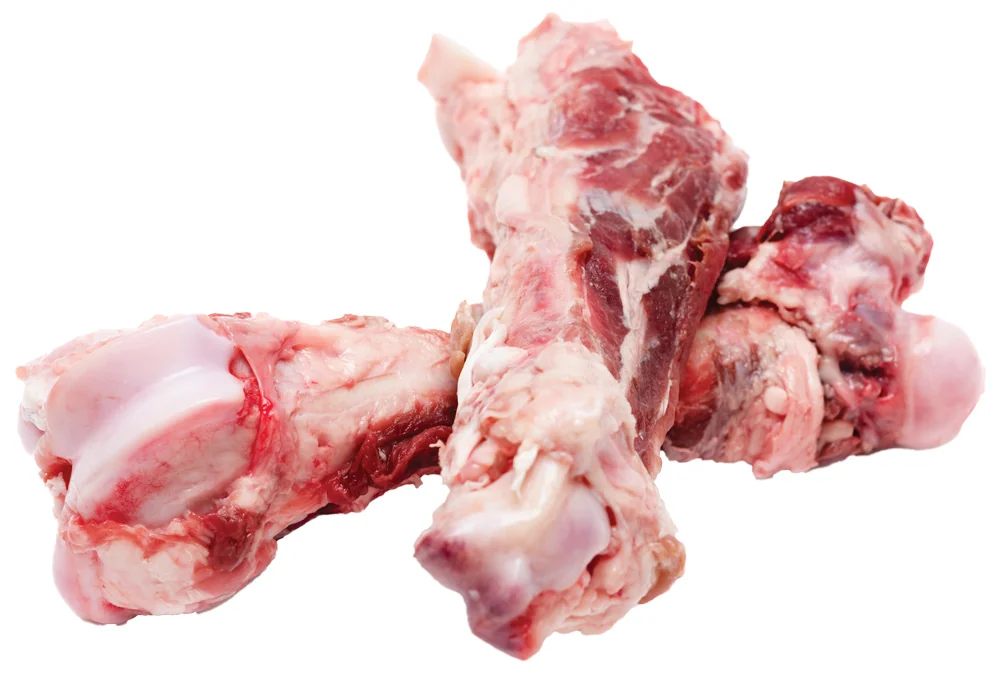
4. Raw Meaty Bones
Raw meaty bones give dogs physical, nutritional, and mental benefits. Gnawing prevents periodontal disease and improves oral health, while the minerals in bones support a balanced diet. Chewing also provides much-needed mental stimulation.
Are they right for your dog? Many dogs adore raw meaty bones and thrive. But some chip a tooth or swallow a fragment that could block. Never feed cooked bones, which splinter. Choose bones with plenty of marrow and connective tissue. Ian Billinghurst, author of Give Your Dog A Bone and The BARF Diet, advises uncooked chicken (necks, wings, backs), turkey necks, beef knuckles, marrow bones, and lamb bones.
Supervise your dog with a raw meaty bone and take it away once done (don't leave it out for later). Inspect the bone before giving to ensure no broken or splintered pieces.
Unsure of the right type or size? Ask your local natural dog store, which often stocks raw bones in the freezer and can help you choose.
Valeriana002/Bigstock
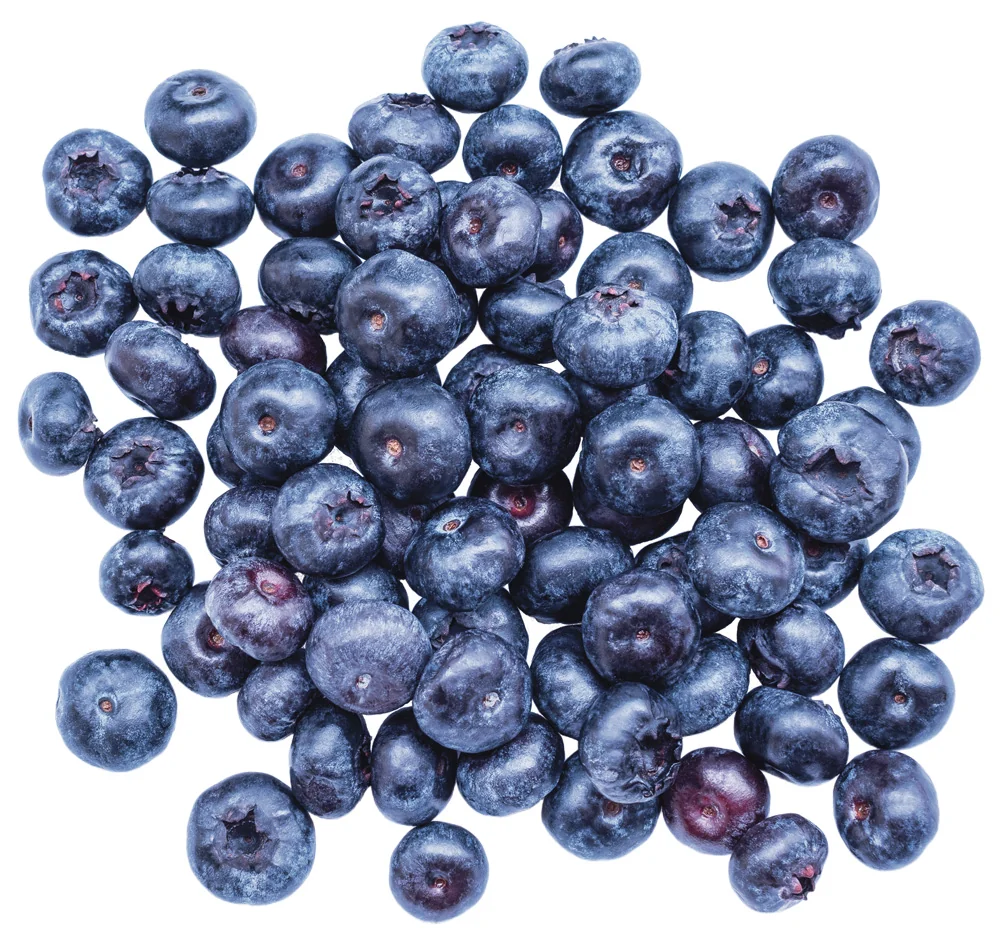
5. Blueberries
Yes, dogs can—and should!—eat blueberries. This superfood makes a terrific, healthy treat; research shows blueberries improve animal health, from lowering cholesterol and boosting heart health to building stronger bones.
Blueberries pack nutrition: high in fibre, low in calories, rich in vitamin C, and full of phytochemicals that fight cancer in humans. They're loaded with antioxidants that battle the free radicals causing cellular damage in dogs and people alike. Bonus for seniors: antioxidants in the diet can help the aging brain!
Feeding: Small and large dogs can enjoy blueberries fresh or frozen. Remember, treats should be no more than 10 percent of daily diet.

6. Eggs
Eggs are excellent for dogs, as a treat or addition. They're a complete, 100 percent bioavailable food. A nutritional powerhouse, eggs are high in protein and essential amino and fatty acids, plus linoleic acid and fat-soluble vitamins like A. They can even soothe an upset stomach with easily digestible protein.
How many eggs can your dog eat? A little egg daily is fine; amount depends on size. Keep the 10 percent treat rule in mind.
Feed: Boiled or cooked.

7. Bone Broth
Bone broth is a super-charged health elixir for dogs. This nutrient-packed broth is highly bioavailable and offers many benefits: better digestion and healed leaky gut, less inflammation and joint pain, and stronger bones, joints, muscles, tendons, and ligaments. The glycine helps detox the liver and the collagen is great for skin and coat!
Make bone broth by simmering bones low for 8 to 24+ hours with apple cider vinegar (recipe at moderndogmagazine.com/bone-broth), or buy it ready! Brutus Bone Broth for dogs is all-natural, human-grade, with glucosamine, chondroitin, and turmeric for happy joints! (from $9, brutusbroth.com)
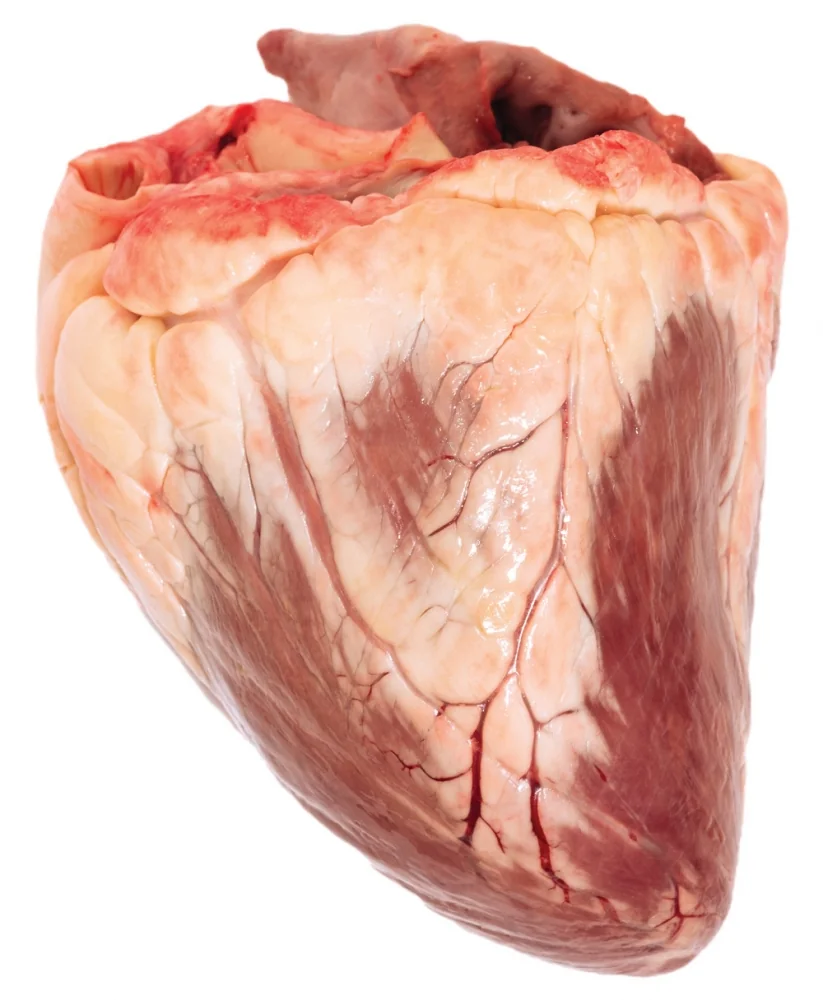
8. Organ Meats and Glands
Organ meats are nutritional powerhouses. Think of a lion and its kill—they go for the organs first, for good reason! Dogs benefit from liver (strength, endurance), kidneys (vitamin A), adrenal glands (vitamin C), pancreas, stomach/tripe (probiotics), and heart (CoQ10). Choose organic and pasture-raised where possible.
Amount: Many commercial and homemade diets follow the 80-10-10 rule (80% muscle meat, 10% bone, 10% organ meats).

9. Small, Oily Fish (anchovies and sardines)
Anchovies and sardines are brain foods. Packed with omega-3s, they also reduce inflammation, lubricate joints, and promote skin, coat, and eye health. Benefits may include less shedding, less itching, and a softer, shinier coat. These small fish are "cleaner," having not accumulated the toxins of large fish like tuna.
Dosage: start low and increase. Smaller dogs: half a sardine daily to start. Increase by size. High-quality prepared oils make dosing easy—we like Iceland Pure's Sardine Anchovy oil, with high EPA and DHA, unscented, easy to add! (From $15, icelandpure.com)
*Remember that treats and additions to your dog's regular meal should be no more than 10 percent of daily intake. Always introduce new foods gradually to avoid upset. When in doubt, consult your vet.
Preparation & feeding steps
four measures from the nutrition desk
Weigh the meal - a kitchen scale beats a scooping cup every single time.
Introduce one new ingredient at a time, at least three days apart.
Split the daily ration into two or three calm, seated sittings.
Keep all treats under ten percent of the day's total calories.