Brain Food for Dogs: Preventing CDS


Keep your dog mentally sharp and fight canine cognitive dysfunction syndrome with an antioxidant rich diet and plenty of mental stimulation.
By: Elizabeth Pask and Laura Scott
Last Updated:December 11, 2023
One of the hardest parts of living with dogs is watching them age. Help prevent cognitive dysfunction syndrome (CDS) with brain games and foods.
The signs of aging can be subtle: first Rex loses his puppy silliness, then he's slower on walks and sleeps in more, and before you know it there's grey on his muzzle. Thanks to advances in nutrition and health care, small breeds often live into their teens, and even large breeds live longer, healthier lives. With longer lives come new challenges.
A common issue for senior canines is canine cognitive dysfunction syndrome (CDS), strikingly similar to Alzheimer's in humans. As they age, dogs may forget how to do things and seem disoriented or forgetful. They may have accidents, wake at night, seem restless, or bark without cause. Studies show CDS causes brain changes like Alzheimer's, and dogs are even used as models for studying it. Progression is gradual; early symptoms are blamed on normal aging. To determine CDS, a vet rules out medical causes and uses owner reports of behaviour changes.
For diagnosed dogs, prescription meds help manage CDS. But whether or not your dog has it, you can help prevent or slow progression and keep the senior brain sharp through at-home "brain teasers" and "brain foods."
Brain teasers help reduce loss of brain functions
Studies show that, like people, dogs that don't use their brains lose higher functions like problem-solving. One of the best things you can do is provide mental stimulation to slow neurological aging. Regular walks with varied routes, play, new tricks, and puzzle toys all help.

Research also shows that using brain teaser toys in puppyhood helps prevent CDS. Brain teaser toys require solving a puzzle for a prize—Kongs, kibble balls, food puzzles. Research also found dogs in adult training classes were less likely to develop CDS. Classes could be agility, obedience, tricks, or other dog sports.
Brain food: feed your dog food with antioxidants
Like humans, dogs undergo brain changes such as beta-amyloid accumulation and oxidative damage, which appear connected and relate to CDS development.
antioxidants are widely discussed in human health; researchers studied high-antioxidant diets in older dogs for age-related cognitive dysfunction, with promising, exciting results. Older dogs on antioxidant-rich diets improved learning and spatial attention within two weeks. Combined with mental stimulation (walks, housing with another dog, training), effects were greater. In tests of spatial memory, object recognition, and adapting to new situations, antioxidant-fed dogs fared better than a control group.
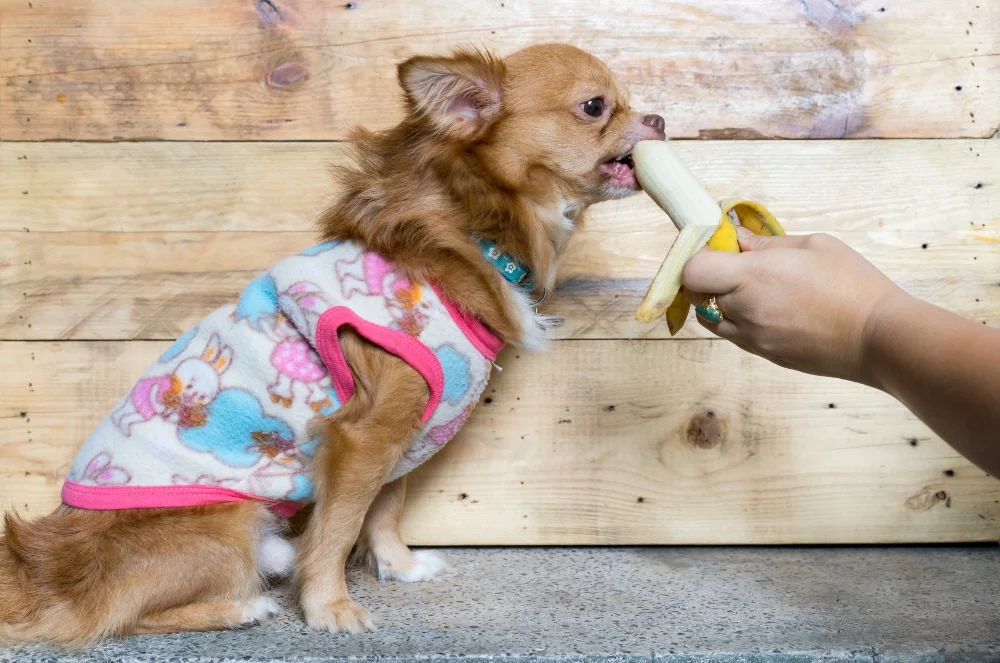
A typical antioxidant-enriched human diet contains Vitamin E, vitamin C, L-carnitine, DL-lipoic acid, and fruit/vegetable extracts. A pre-made similar dog diet by Nom Nom is available by subscription, but to add brain-boosting foods at home, try these:
Vitamin E: Add up to 100 IU per day for small breeds and 400 IU for large dogs. If the diet already has lots of vitamin E, you may not need more.
Vitamin C: Very safe, needing huge doses for side effects. But mega doses have little benefit. Try 50-100 mg per day by size.
Fruits and Vegetables: Add up to 10 percent of diet. Colourful ones likely help most—blueberries, raspberries, spinach, carrots, tomatoes. Go slowly to avoid stomach upset. A little makes a difference for small dogs.
Preventing CDS From the Puppy On Up
Though studies showed benefits in older dogs, you may want to feed the brain young to prevent problems. Puppies on high fish-oil (DHA) diets scored higher on trainability. Rat fetuses from DHA-rich mothers had greater brain and nerve development. An expectant bitch fed high DHA in the last three weeks of gestation gives puppies the greatest neurological benefit. If making your own food for a puppy or pregnant female, consider salmon oil. If feeding raw-based food, don't feed raw fish more than once a week without extra thiamine (B1)—raw fish contains thiaminase and too much causes deficiency.
A healthy lifestyle with physical activity, social engagement, and cognitive activities, plus dietary antioxidants, reduces neurodegenerative disease risk in dogs and humans. So share a healthy veggie or fruit platter with your dog and invite her to do the crossword!
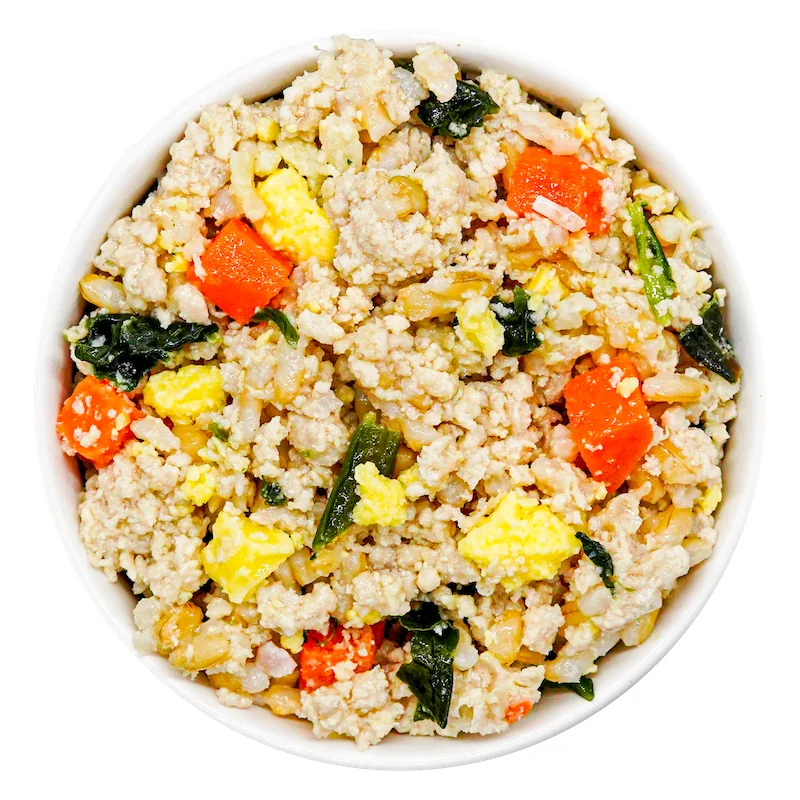
Fresh-made food. We tried it. Your dog will LOVE this food. Feeding healthy, balanced meals is vital but busy schedules interfere. Try Nom Nom, delivering fresh, pre-portioned, nutritious meals for any dog's diet.—Ed.
*We promote only the best info and products for our readers, some of which give Modern Dog a small amount when purchased. Thank you for your support!
Preparation & feeding steps
four measures from the nutrition desk
Split the daily ration into two or three calm, seated sittings.
Keep all treats under ten percent of the day's total calories.
Rinse and refill the water bowl morning and evening, without fail.
Log your dog's weight weekly and adjust the ration in small steps.