Secrets to Dogs Aging Well: Inside the Dog Aging Project
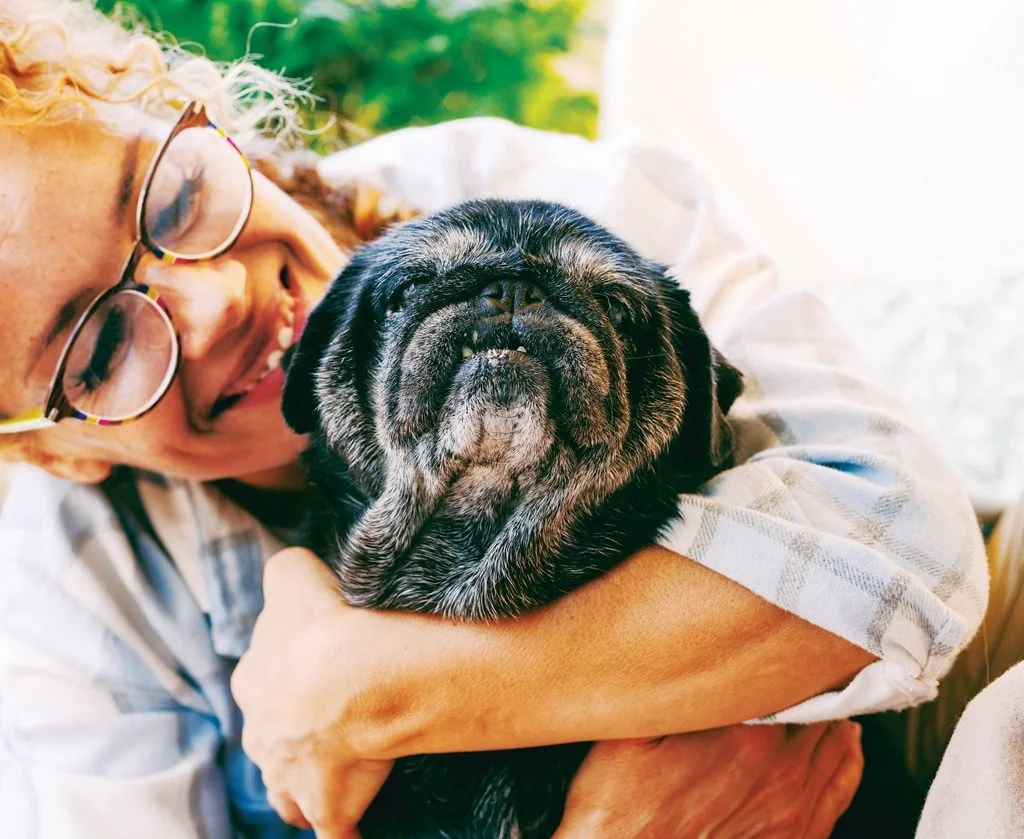

Citizen scientists and their dogs are taking part in the world's largest dog study focused on healthy aging.
By: Erica Browne Grivas
Last Updated:January 19, 2026
If you love a dog long enough, you'll notice they share some signs of aging we see in humans—grey hair, slowing down, maybe arthritis—but at a faster pace. An ambitious project hopes to change that. The Dog Aging Project, with 50,000 dogs and counting, studies what shapes canine aging and quality of life, or 'healthspan,' aiming to improve longevity for dogs and people alike. It's the largest dog study ever, and you can join.
The Dog Aging Project
"The goal of the Dog Aging Project is to follow people's dogs, dogs in people's homes, for their entire lives to collect as much information as we can," co-founder Daniel Promislow says in a project video. "By doing that, with owners providing data and samples, we can analyze—our goal is to understand how biology and environment shape healthy aging."
Based at the University of Washington, this nationwide longitudinal study joins academic experts, veterinarians, and citizen scientists who share data about their dogs each year. By following dogs through life, leaders hope to find genetic and environmental links to aging. The study now spans epigenetic work to trialing the anti-aging drug rapamycin.
Why Dogs Are Perfect for an Aging Study
Dogs are uniquely suited to this research. Like us, they vary hugely in looks, size, and behaviour. Because they share our homes, scientists may also draw links to human aging. Dogs may point the way toward changes that support healthier human lifespans.
"We study dogs for many reasons, but mainly because the domestic dog is the most variable in how they look and act and in age-related diseases," says Brianah McCoy, a researcher and Ph.D. candidate at Arizona State University. "Dogs are one species, yet Chihuahuas differ greatly from Great Danes. We see the same in humans—you and your neighbour look very different."
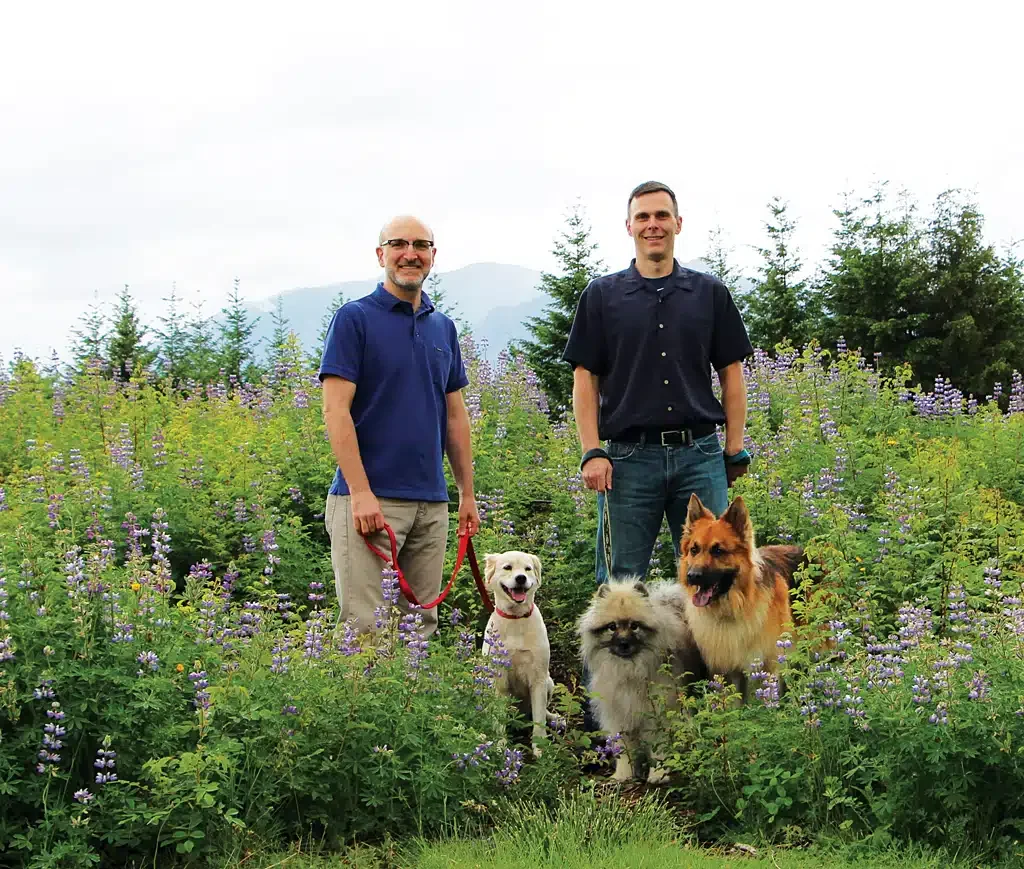
Photo Courtesy The Dog Aging Project
Founders Dr. Daniel Promislow and Dr. Matt Kaeberlein.
Citizen Scientists: How to Participate
The project—run by about 120 scientists, students, and vets from over 20 institutions—is in its third year of data gathering since 2019.
"We have almost 50,000 dogs enrolled, and the goal is 100,000," says McCoy. Currently open to U.S. dogs of all ages and breeds, including mixes, but she hopes for funding to expand worldwide.
When nominating a dog, owners fill out a detailed survey on health and lifestyle. They may be invited into study cohorts needing medical info and biological samples.
"Activities in those studies," co-founder Kate Creevy says in a video, "might include cognitive games with the dog to see how they solve problems, plus body measurements and timed tasks like running down a hallway or up the stairs."
Half the biological samples gathered (kept anonymous) are reserved for other scientists, reflecting a commitment to open science.
Gamification: Join the Virtual Dog Park
The Dog Aging Project adds a social twist that gamifies taking part: you can join the online 'dog park' for quick surveys, connecting with other participants, and try-at-home exercises.
Michelle Dail of Hampton, VA, enrolled her Great Pyrenees mix Sloan, now four, in 2021 and now helps run the online 'dog park.'
"I've had ten dogs over 30 years, and many had health issues as they aged. I've grown very interested in doing all I can to help my dogs live healthier, happier lives."
"When I saw the chance to be a citizen scientist for the Dog Aging Project, I was thrilled."
Dail, already following dog-health news and trying holistic care and natural supplements, was excited to learn about the project. "When I saw the opportunity to be a citizen scientist for the Dog Aging Project, I was so excited. I thought, I can help real scientists do the work."
Cognitive & Mobility Studies
Dail and Sloan have joined two studies so far, one cognitive and one mobility. The cognitive study laid out three boxes in a set pattern, hid a treat in one, walked the course on leash, then released the dog to see if he could find it.
"He's got a big heart and a pea for a brain, but it's not for lack of trying," Dail says fondly. She says he's still working on impulse control.
Nonetheless, Sloan succeeded seven or eight times out of ten, Dail recalls, and she looks forward to watching his progress as they repeat the test yearly.
For the second study, Dail measured Sloan, then timed him running upstairs in three rounds.
Finding Community Through the Collective Experience
Dail values the virtual dog park as a resource. Members share behaviour tips and support each other through hard topics like canine cognitive disorder or the grief of losing a pet.
The 4 Major Areas of Study
The project covers four major areas, each with its own cohort: normative aging (what healthy aging looks like), genetic associations exploring breed differences, an epigenomic study of how environment affects gene expression—McCoy's focus—and the rapamycin trial called TRIAD.
Could Rapamycin Reverse Aging in Dogs?
Rapamycin, traditionally an immunosuppressant, is FDA-approved to prevent organ rejection after transplants. But it has also delayed or even reversed age-related decline in organisms from yeast and worms up to mice, and now perhaps dogs.
"There's really good evidence to support the idea that this particular intervention can either delay or reverse signs of aging in lots of different animals," says co-director Matt Kaeberlein in a project video. "So the question we're asking is whether it will do that in dogs."
"There's really good evidence to support the idea that this particular intervention can either delay or reverse signs of aging in lots of different animals."
Results from an initial trial of 24 dogs were encouraging, the American Animal Hospital Association reported in 2022. No side effects appeared, and treated dogs showed improved heart function versus those on placebo.
Working with vets is also driving new best practices, McCoy says, citing fresh measures for obesity and genetic disease precursors. Even this early, the data is revealing valuable new links about our companion dogs.
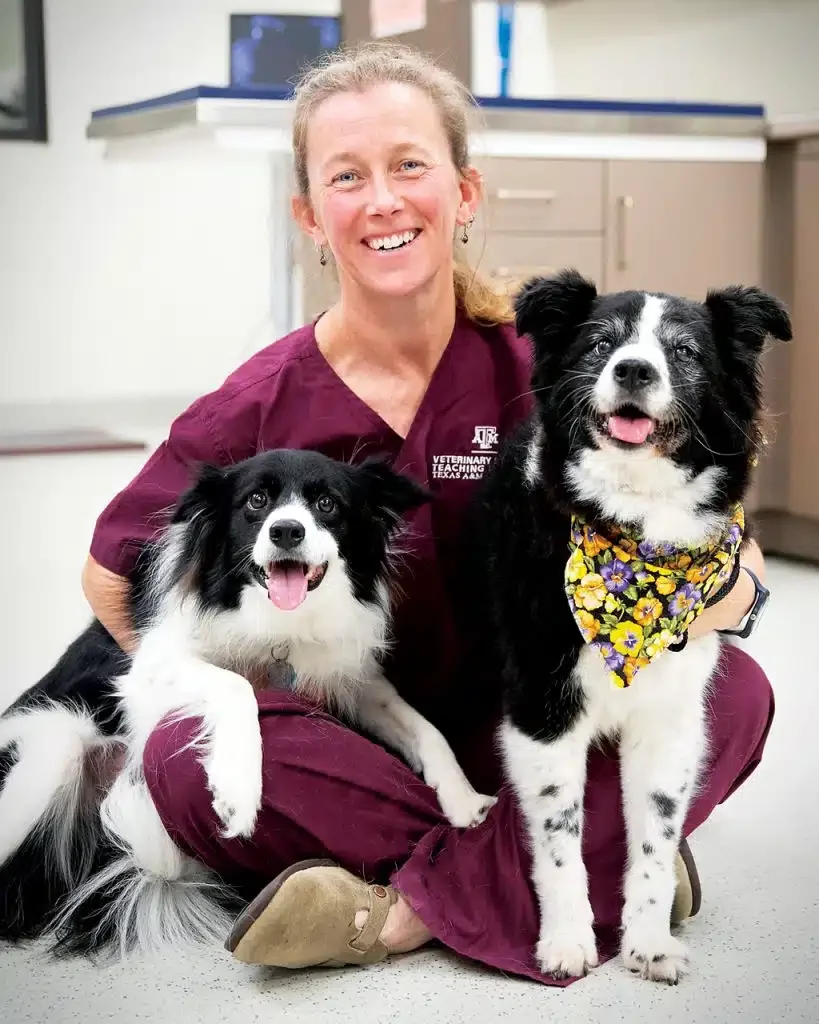
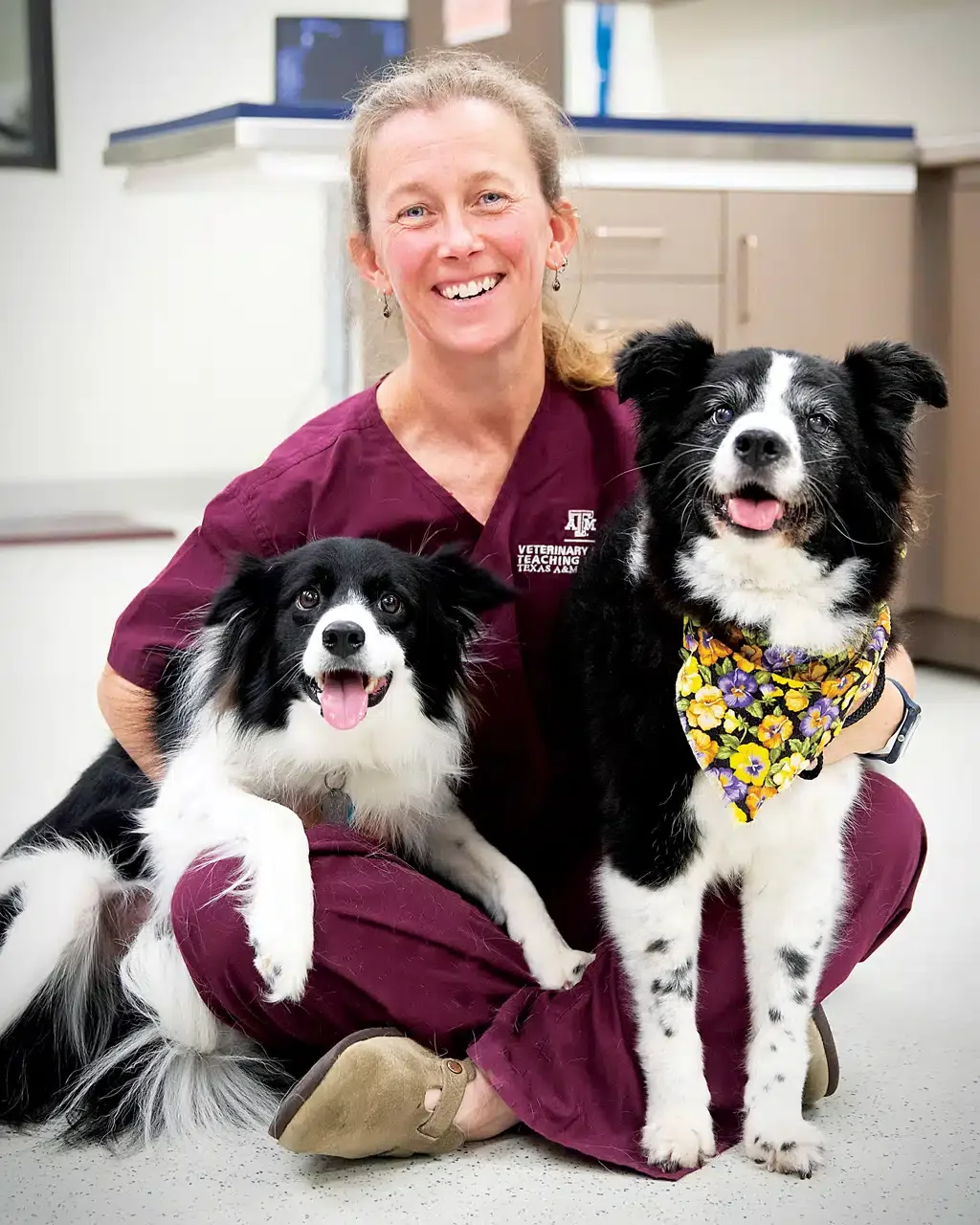
Photo Courtesy The Dog Aging Project
Dr. Kate Creevy is a founder of and Chief Veterinary Officer for the Dog Aging Project at Texas A&M University.
What We Know So Far: Study Results
When It Comes to Personality, It's Not About the Breed
In a linked study, research published in Science by Kathleen Morrill debunked long-held ideas about breed-specific personality. Morrill, then a graduate student in Dog Aging Project researcher Elinor Karlsson's lab and now on the project herself, found "Your dog's breed doesn't determine its personality," McCoy says. "All dogs are distinct and products of their environments."
So if your Border Collie is hyper or your Great Pyrenees aloof, it's likely a coincidence. This may matter as municipalities revisit breed-specific legislation.
Dogs Need Animals Other Than Humans
Like us, dogs are social, and the quality of their social lives strongly affects their healthspan, a study McCoy co-authored found. Across 21,410 dogs, several factors tied to health emerged, not all equal. Household stability helped. Financial strain and limited resources linked to poorer health. But time with other animals was five times more likely to help dogs' health.
Notably, time with their humans "did not come out as statistically significant," McCoy says, likening it to how a companion animal is wonderful for people but not the same as human interaction.
Other findings: older owners tended to have healthier dogs, perhaps because they have more time and resources and move less.
"Dog parties are the takeaway," McCoy notes. If your dog is the only pet at home, she suggests scheduling playdates with a friend's dog or visits to a park or day care.
Consider Intermittent Fasting
Inspired by time-restricted feeding studies in rats, another McCoy co-authored study found that feeding once daily was linked to better outcomes across several areas. The abstract says:
"…We found that dogs fed once daily rather than more frequently had lower mean scores on a cognitive dysfunction scale, and lower odds of having gastrointestinal, dental, orthopedic, kidney/urinary, and liver/pancreas disorders."
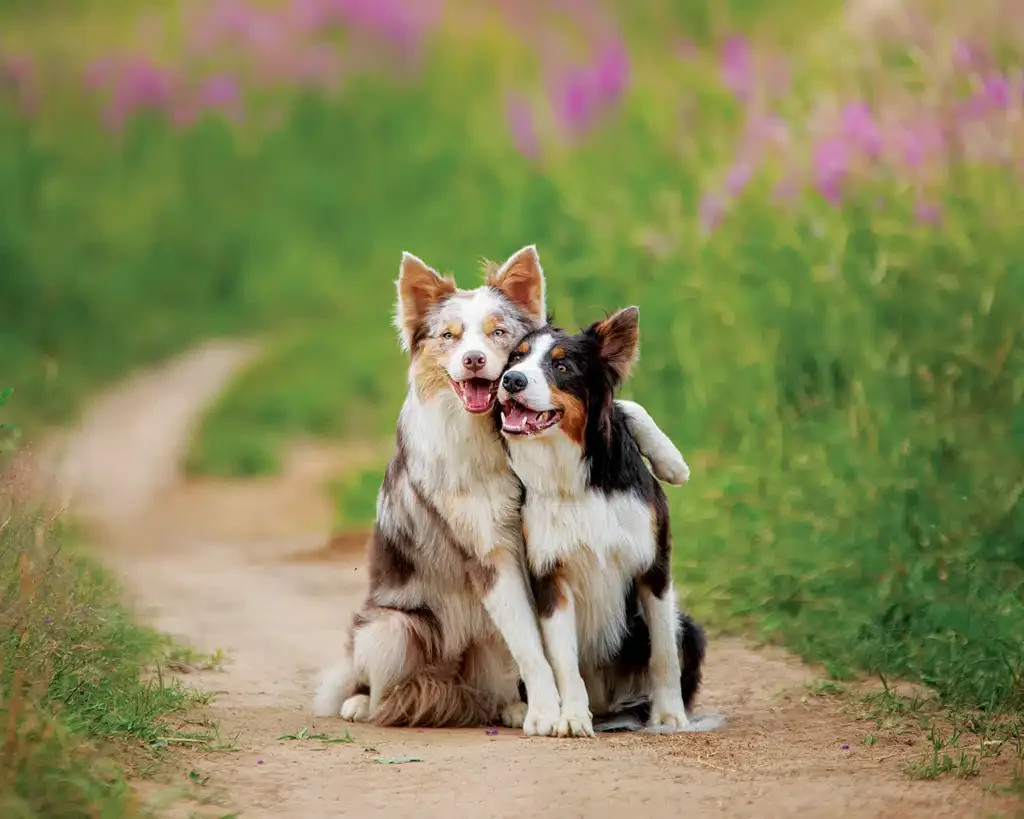
Photo annaav/AdobeStock
"Spending time with other animals was five times more likely to positively impact dogs' health."
Looking Ahead
Next, the study aims to broaden diversity and access by offering paper surveys, reaching rural areas, and translating surveys into multiple languages.
McCoy thinks the study's comprehensive, collaborative nature sets it apart, giving it rare potential.
"We don't exist in a vacuum," she says. "It's exciting to see something that mirrors that. I call it holistic science, with real-world applications. I love doing relatable science that benefits the community."
Dail awaits the study's next results. "For those of us really into our dogs' health, there are many questions," she says, like the healthiest diet for longevity.
"I'm looking for any information they give us. I know something of benefit will come from this. I think it's going to help dogs live longer, happier lives."
If you live within the 50 US states (excluding territories), you can apply to join the Dog Aging Project at dogagingproject.org.
This article originally appeared in the award-winningModern Dogmagazine.Subscribe today!
Preparation & feeding steps
four measures from the nutrition desk
Keep all treats under ten percent of the day's total calories.
Rinse and refill the water bowl morning and evening, without fail.
Log your dog's weight weekly and adjust the ration in small steps.
Transition to a new food over seven days: a quarter, then half, then full.