Top 7 Homemade Dog Treat Recipes
How to give your furry friend healthy snacks.
By: Aleksandar Mishkov
Last Updated:July 4, 2025
A key to bonding with your puppy and succeeding at training is giving treats—lots of them. That's the heart of positive reinforcement. When it comes to treats, I like to keep things natural and homemade. Instead of store-bought, I experiment with dog treat recipes using natural ingredients.
My cooking may not be Michelin-level, but I can manage a thing or two in the kitchen. Here's a little secret few share: the higher the treat's value, the more your dog will work and train.
So if you want healthy, natural treats for your furry friend, read on.
Why Cook Homemade Dog Treats?
First, let's cover why homemade treats beat commercial ones. You control everything that goes in. Want organic fruits and vegetables? You can do it.
Most of these recipes use a few simple ingredients you likely have on hand. Don't worry—they don't need to look pretty for social media. Go for quality, not beauty.
Then there are no harmful ingredients, no extra sugar, no nasties. And homemade treats are a lovely way to show your pet they're family.
There Are Some Potentially Harmful Ingredients in Commercial Dog Treats
The main reason many owners go natural and cook DIY treats is the unknown risk in commercial ones. Store-bought treats can hold ingredients pet parents should know about. Here are some.
I'd check the label of any treats you buy. Simple treats can list over 20 ingredients. Do you think they're all needed for some dog cookies?
More Reasons to Feed Homemade Dog Treats
One more point: natural treats aren't processed. They come from nature, giving real nutrition rather than empty calories.
Pet parents often find that switching from commercial to preservative-free treats eases existing health issues.
Top 7 Homemade Dog Treat Recipes
Let's look at several recipes. They're simple, quick, and worth it. Your dog will appreciate the homemade food.
Fishy Treats
Dogs love fish, don't they? It makes you wonder if you have a cat or dog at home. Rich in omega-3s, fish-based treats improve skin and health. You want that in the diet. Here's what you need:
Instructions:
Healthy Low-Fat Frozen Popsicles
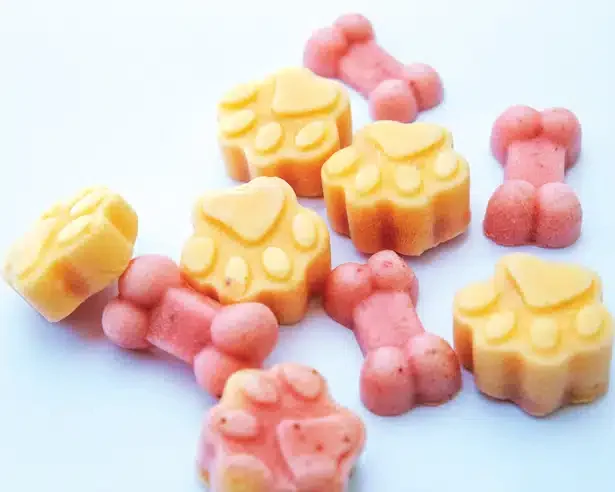
Photo Denise/Adobe Stock
These frozen treats are great for warm days. In summer, your dog deserves a cool-down. Beyond that, they're full of minerals, vitamins, and antioxidants. Here's what you need:
Instructions:
This recipe also works with spinach, yogurt, and banana. Same steps, just add a single layer.
Beetroot Dog Treats
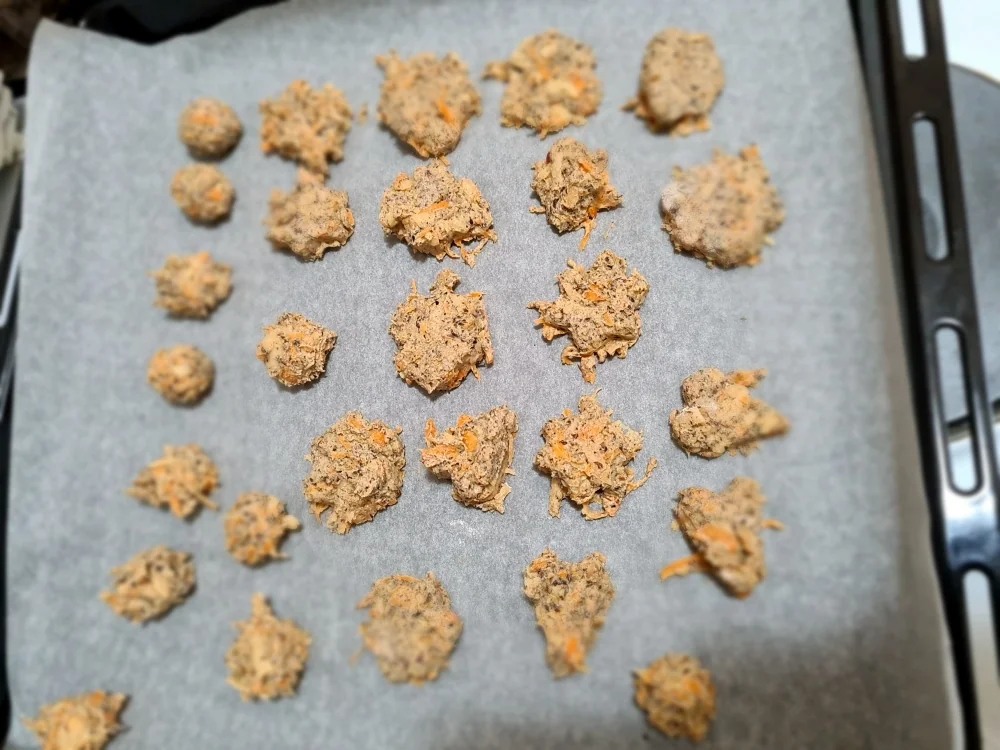
Fresh or raw beets are among the most nutrient-dense foods for your pooch. These cookies are safe and easy. Let's go:
Instructions:
Apple and Egg Treats
Eggs are a top source of calcium. Here's a secret: most calcium is in the shells, so we blend them. Ingredients:
Instructions:
Cheesy Sweet Chews
This is a favourite homemade treat—and my dog Milo loves them too. When fall brings butternut squash, he goes wild for these. A warning: give them in moderation.
The recipe uses cheddar, a good pick since it's low in lactose. But it's still high in salt and fat, so be careful. One or two treats a week is fine—don't overdo it.
Here are the ingredients for a simple treat recipe:
Instructions:
Apple and Carrot Biscuits
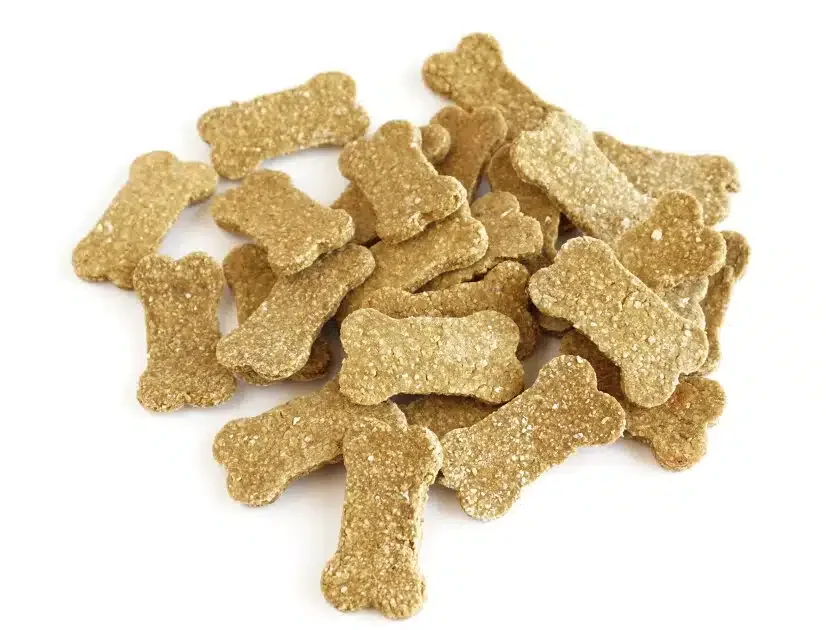
Want a simple, five-ingredient cookie for your puppy? I've got you. Ingredients:
Instructions:
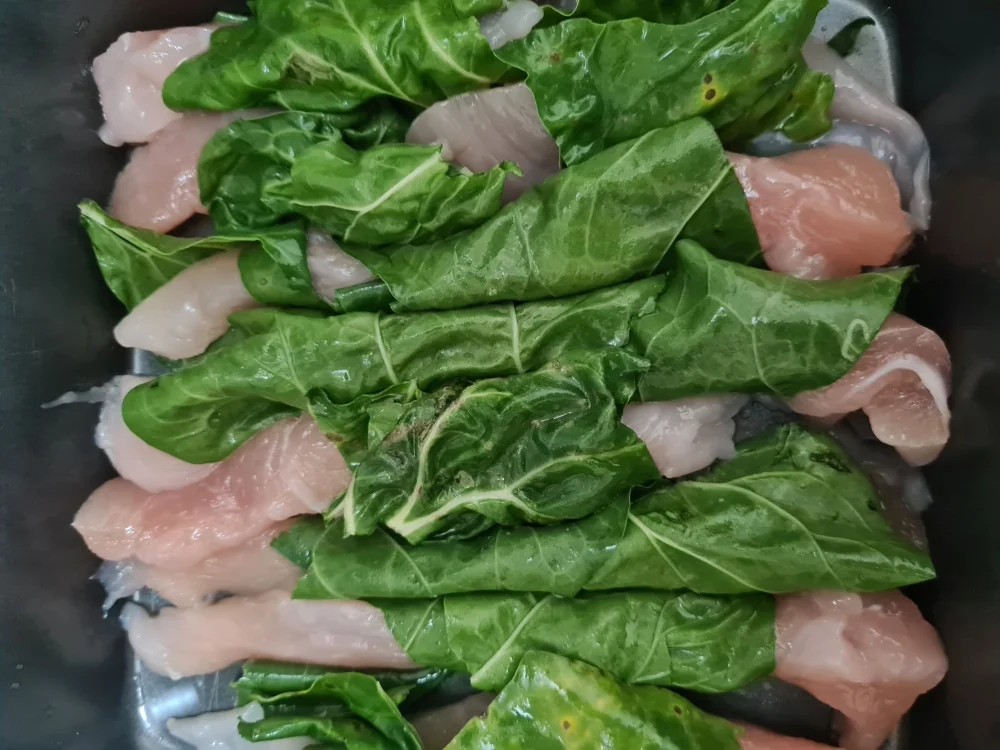
Chicken and Spinach Jerky
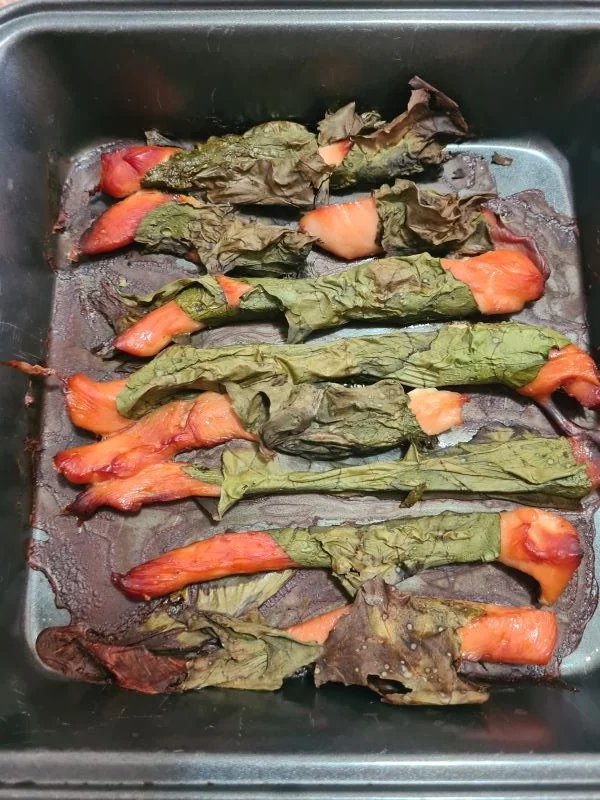
Who doesn't love old-fashioned jerky? Puppies love it too. Instead of pet-store beef jerky, make your own. What you need:
Instructions:
Don't Forget the 90/10 Rule
Now that we have recipes, here's the key rule: don't overdo it. Your dog's diet should be 90% food and only 10% treats—even healthy homemade ones.
As you see, these treats rarely hold much meat or lean protein. Your dog should get most lean protein from meals; treats are for fun, training, and manners.
Speak with your vet before changing your dog's diet.
What is Up with Peanut Butter?
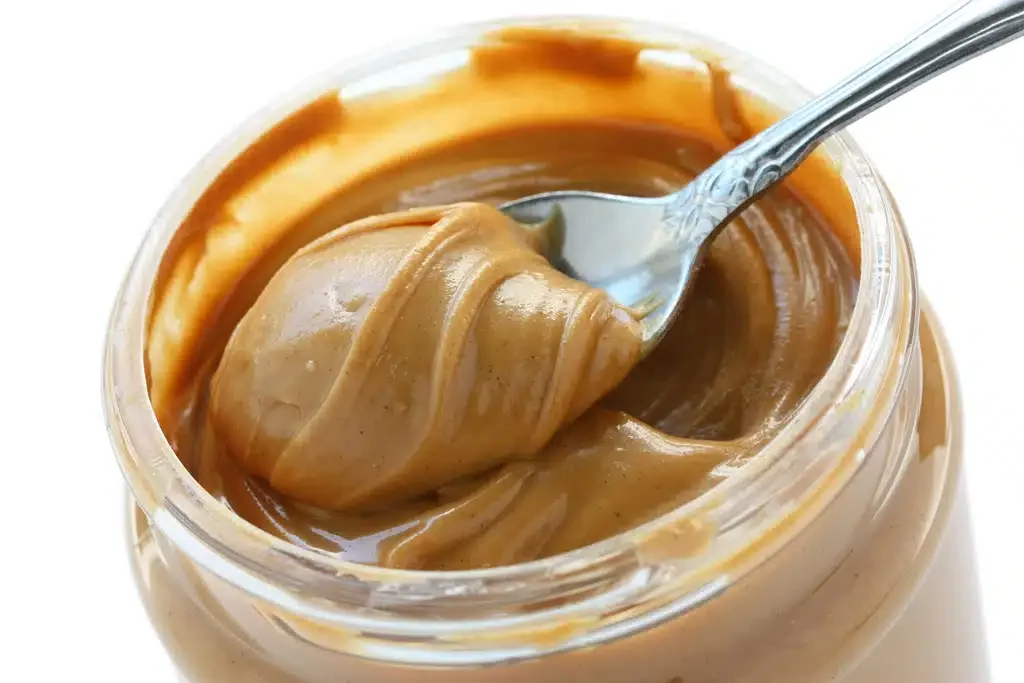
As you see, I don't use peanut butter in any recipe. Many owners love giving it, but there are good reasons to avoid it in dog treats.
First, several brands now use an artificial sweetener—xylitol—that is toxic to dogs.
Even without xylitol, nut butters are high in fat and can cause weight gain. If you must, I'd only suggest unsalted, dog-specific, natural peanut butter you make at home. That's the only kind I'd use for dog treats.
Is it Worth the Effort?

mexitographer/Bigstock
The truth: cooking homemade food for your puppy takes time. It's lengthy, tricky, pricey, and can leave you thinking, 'Why am I doing this?' But the benefits are many. Let me sum them up, hoping you'll feel inspired to try.
*About the Author: Aleksandar Mishkov is a 36-year-old dog enthusiast who has lived with dogs his whole life. He shares his life with a six-year-old Jack Russell Terrier, Milo. Visit Aleksandar at The Daily Tail, where he shares tips on training and good dog behaviour.
Check out even more people food that's safe for dogs here!
Preparation & feeding steps
four measures from the nutrition desk
Keep all treats under ten percent of the day's total calories.
Rinse and refill the water bowl morning and evening, without fail.
Log your dog's weight weekly and adjust the ration in small steps.
Transition to a new food over seven days: a quarter, then half, then full.