10 Human Foods You Can Feed Your Dog


Share these 10 healthy people foods with your dog, guilt free!
By: Rose Frosek
Last Updated:January 31, 2019

1. Apple Many a dog loves apple. Crunchy and sweet, apples are a source of vitamins A and C and fibre. Apple seeds contain cyanide so don't let your dog eat the core. If he ate an apple core, don't worry; a few seeds won't hurt but over time could cause harm, so don't let it become a habit.

2. Cheese Yes, dogs can eat cheese in small to moderate quantities. Per the AKC, as long as your dog isn't lactose intolerant (rare but possible), cheese is a great treat. Many cheeses are high in fat, so watch portions and choose low-fat like cottage cheese or mozzarella.
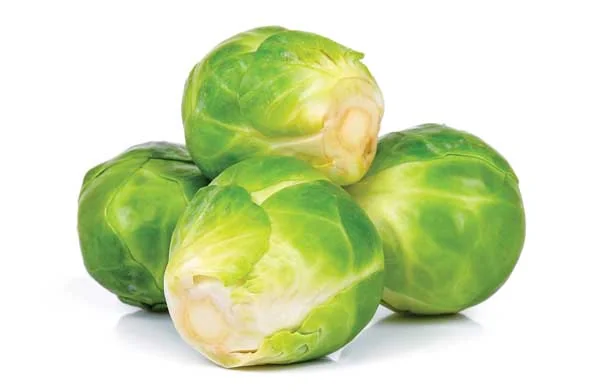
3. Brussels Sprouts This cruciferous vegetable is packed with vitamins and nutrients. Safe and healthy! The downside: they cause room-clearing flatulence, so keep portions small. Recommended steamed or boiled.

4. Honey Did your dog get into the honey pot? Fear not, honey is safe in small quantities, though high sugar means not much, to avoid obesity and tooth decay. Raw honey shouldn't be fed to puppies or immunocompromised dogs.
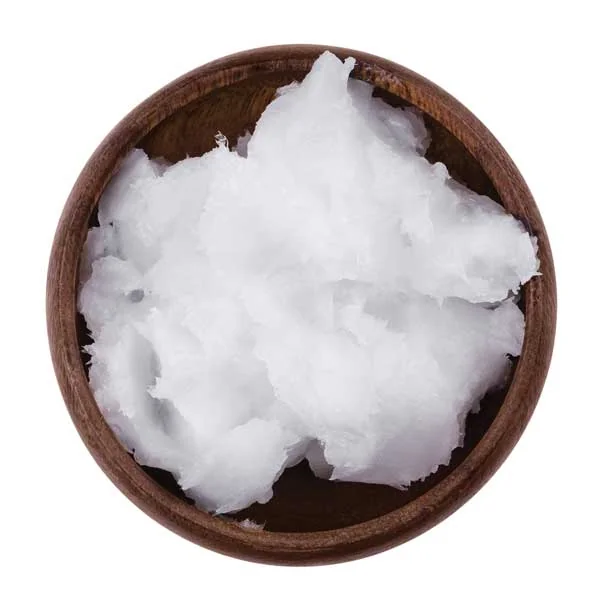
5. Coconut Oil has tons of health benefits for your dog—gastrointestinal, skin and coat, immune, and joint and bone. Plus your dog will love the taste!
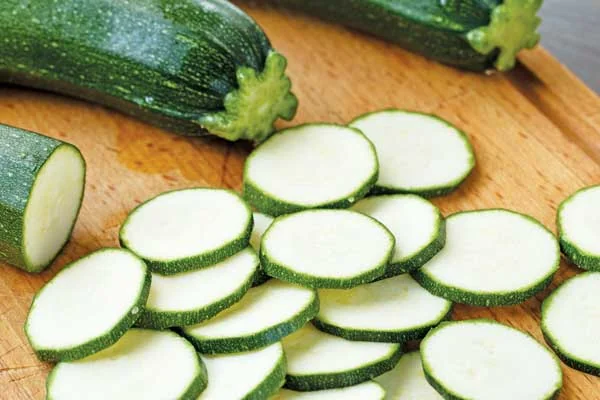
6. Zucchini Raw or cooked, zucchini is safe. It contains many vitamins, fiber, and minerals, and is low-calorie—excellent for overweight dogs.
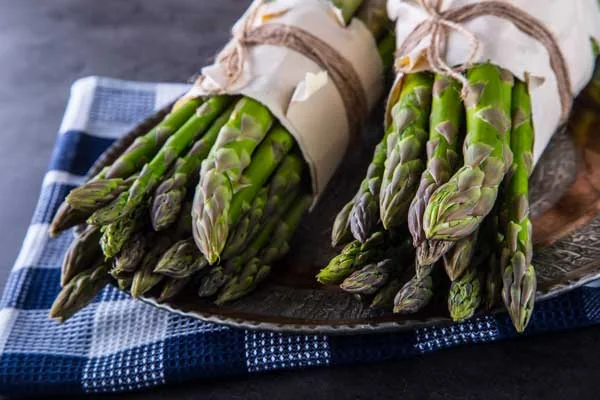
7. Asparagus is non-toxic and safe to share, ideally cooked. Not our top recommendation, and like people it can make urine smell unpleasant after.
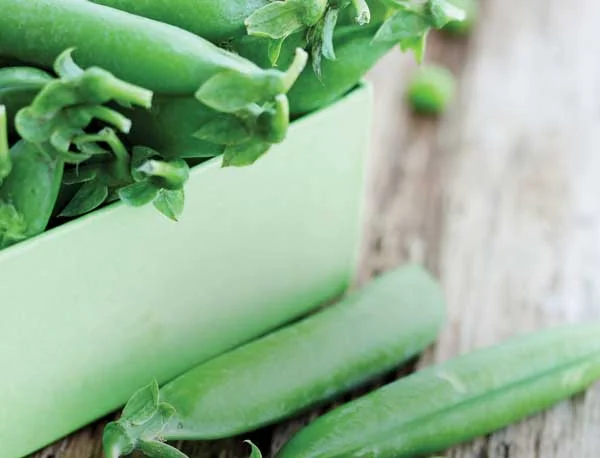
8. Peas are a good source of vitamin B and liked by many dogs. Add fresh or frozen to dinner!
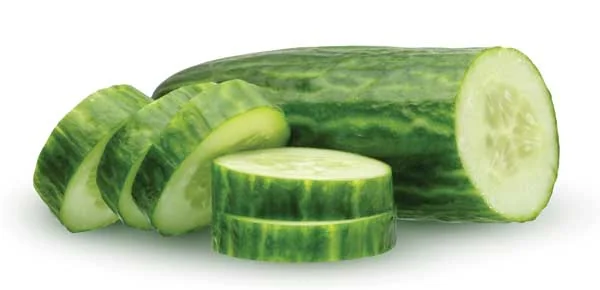
9. Cucumber Low-cal and crunchy, cucumbers are perfectly safe.

10. Strawberries are a healthy, sweet treat you can share, as are bananas, watermelon, blueberries, and cantaloupe.
*Remember that treats and additions should be no more than 10 percent of daily intake. Always introduce new foods gradually to avoid upset. When in doubt, consult your vet.
Preparation & feeding steps
four measures from the nutrition desk
Introduce one new ingredient at a time, at least three days apart.
Split the daily ration into two or three calm, seated sittings.
Keep all treats under ten percent of the day's total calories.
Rinse and refill the water bowl morning and evening, without fail.