Why Do Dogs Eat Grass? A Vet Explains
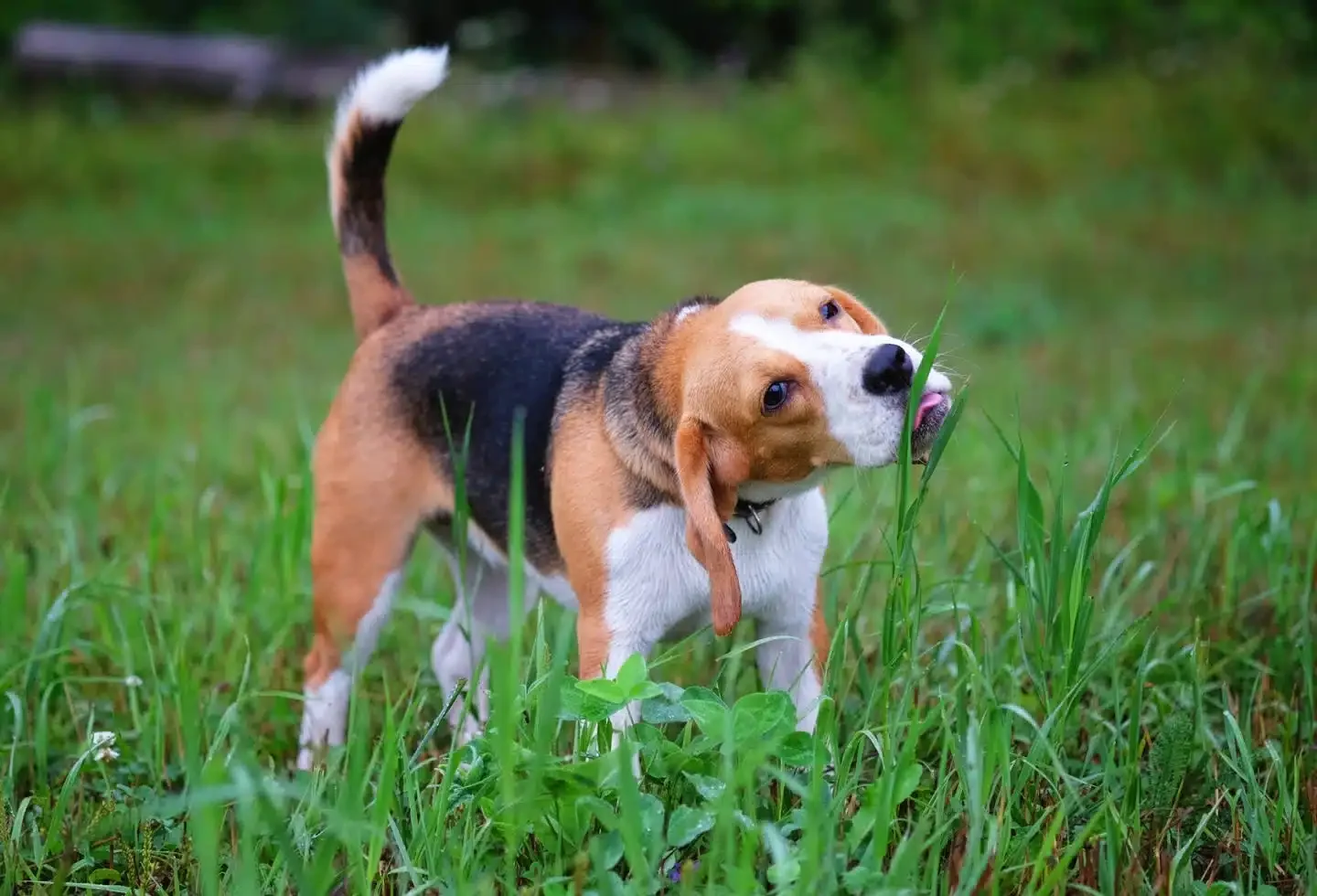
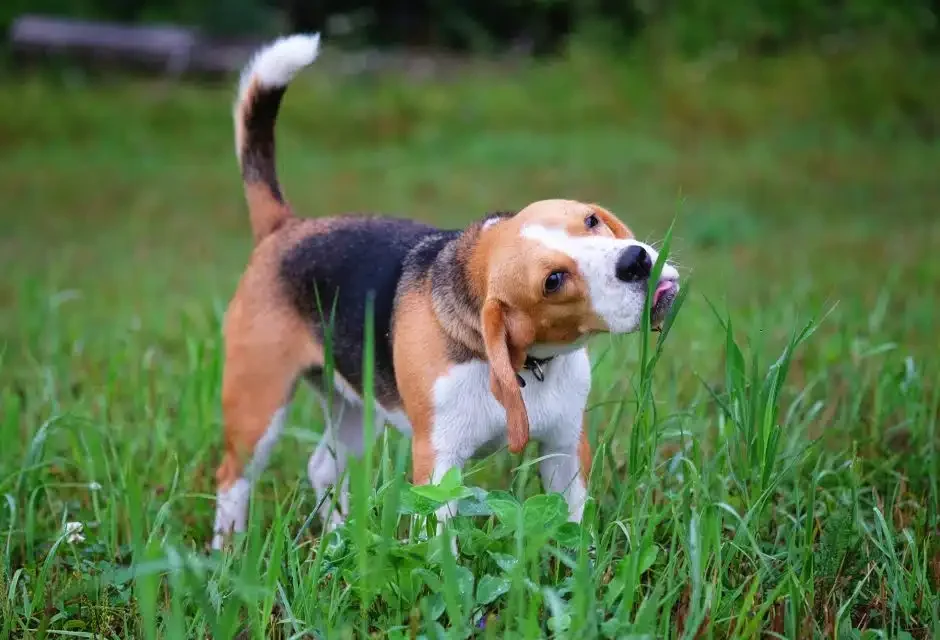
Is there something wrong when dogs eat grass? A vet explains why dogs chew grass and what it means
By: Michael Goldberg
Last Updated:May 8, 2025
Wondering why dogs eat grass? Does it mean they're unwell? Does it signal a problem?
As a vet, I get this question many times a year. Grass-eating is common in dogs, and there are several reasons they do it.
Dogs do not have the means to digest grass.
Eating grass is common and generally considered normal and not harmful in small amounts. Whether it's "good" for them depends on the context:
Possible Benefits / Harmless Reasons Dogs Eat Grass:
When eating grass might be a concern:
Bottom Line:
Occasional grass eating is usually safe and not a worry. But if your dog eats large amounts, vomits often, or shows other signs of illness, it's wise to consult a vet.
Reasons Why Dogs Eat Grass
1. Dogs Eat Grass to Soothe Stomach Upset
Dogs can't digest grass, as they lack the enzymes to break down the fibres, so it has little nutritional value for them. One reason for eating grass may be a feeling of nausea—dogs may learn this is a temporary fix for stomach irritation.
I've seen dogs lick at the air, often swallowing, then rush outside to find a thick patch of green and chomp until the urge eases, then promptly throw up. Following these dogs endoscopically, they often show inflammation in the stomach or redness near the lower esophagus, pointing to reflux or IBD. It's troubling for owners as the dog is restless before grazing. If your dog stretches its neck and makes repeated swallowing motions, visit your vet to investigate. These conditions are treatable with homeopathic or conventional therapies, and diet may play a role—a thorough review is in order.
I've seen grass chewers occasionally get a nasal cleanse when a thick blade goes down the wrong way and out an unsuspecting nostril. Unlikely the intent was to cleanse that organ, however!
2. OCD: Eating Grass Can Be a Stereotypy Behaviour
Some dogs develop a form of stereotypy (compulsive) behaviour and fixate on grass chewing, but this is fairly rare.
Then there are the few who seek out that particular luscious, juicy blade and savour it gently—only the finest blades, thank you. These dogs seem to enjoy the habit and avoid the vomiting and other issues. Grass doesn't seem to hurt them as long as it's free of herbicides or toxins. For this and other reasons, don't spray your lawn with pesticides or herbicides (weed killers are known to cause cancer).
3. Dogs Eating Grass: An Evolutionary Link
It's also theorized that grass eating ties to their evolutionary past. For ancestral dogs to survive, they needed good hunting skills to feed and protect their young. Grass eating may have evolved to help mask their scent from prey, much like rolling in offal is thought to.
4. Hunger or Lack of Nutrients Can Be a Root Cause
Another common theory is that dogs eat indigestible matter when overly hungry or poorly fed, so this must always be considered. If you prepare homemade food, consult a professional to ensure the nutritional balance is correct.
Dogs are more omnivorous than cats (obligate carnivores), and many would eat far more than fed (gluttons!). Without a midday meal, some simply enjoy the act of eating. One can't rule out that a nice patch of clean crabgrass feels like an afternoon snack in the sun!
Dr. Michael Goldberg, DVM, DCHom, practises holistic veterinary medicine at Hudson Place Veterinary Clinic, specializing in classical homeopathy, with chiropractic and acupuncture available. He lives in Vancouver with his wife Ronee, three daughters, a Border Collie, a Great Pyrenees, and three cats.
Preparation & feeding steps
four measures from the nutrition desk
Talk to your vet before adding any supplement to the bowl.
Weigh the meal - a kitchen scale beats a scooping cup every single time.
Introduce one new ingredient at a time, at least three days apart.
Split the daily ration into two or three calm, seated sittings.