Bone Broth For Dogs
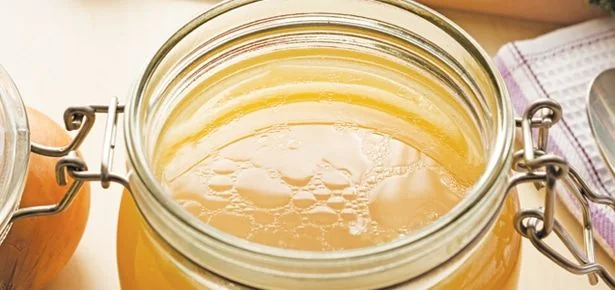
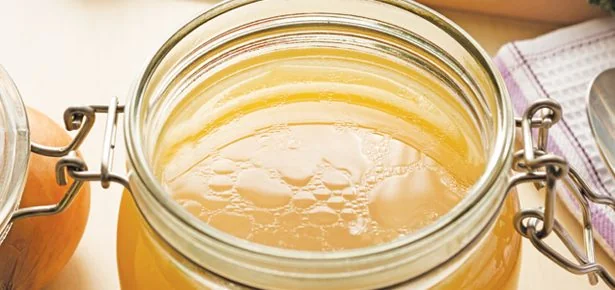
Easy and economical to make, bone broth is super-healthy, rich in protein, and loved by dogs. Here's how to make it.
By: Rose Frosek
Last Updated:July 15, 2025
Bone Broth is a terrific thing to give your dog, whether on its own (great for under-the-weather dogs) or added to dinner to perk it up. Easy and economical, it's nutrient-dense, rich in protein—especially gelatin—and has a soothing, delicious taste dogs love. It's wonderful for joint and digestive health and detoxifying. What's not to love?

How to Make Bone Broth For Dogs
#1 Get Your Bones
Choose beef marrow bones and joint-rich bones like chicken or turkey legs. (Ask your butcher or save Sunday dinner bones in the freezer. Bone broths use bones with a little meat left.) You can roast bones first for flavour, though not necessary. Roast if making broth for yourself; otherwise keep it simple—throw bones in the pot and get cookin'!
#2 Simmer
Cover bones with 2–3 inches of water (add a couple tablespoons of apple cider vinegar if you wish; it helps extract minerals) and simmer 8 to 24+ hours. The goal is gelatin from collagen-rich joints and trace minerals like calcium.
#3 Remove the Bones
At the end, bones should be soft and crumbly between fingers. Remove and discard—don't give cooked bones, which splinter and damage the intestine. Refrigerate; after a couple hours a fat layer forms on top—scoop off and discard. The remaining jelly-like broth is ready to serve!
How Much Bone Broth Can You Give a Dog?
Start slowly: add just a tablespoon or two to meals to avoid upset. Once tolerated, increase. The general guideline is 1 ounce per 10 pounds, adjusted to your dog's needs.
Ways to Serve Your Dog Bone Broth
Bone broth can be served warm or cold, alone or mixed with food. It can also be frozen into ice cubes for a refreshing treat.
Store Your Bone Broth
Spoon into smaller containers. The broth keeps in the fridge up to three days. Freeze whatever you won't use. Prepare for an enthusiastic dinner reception!
Preparation & feeding steps
four measures from the nutrition desk
Transition to a new food over seven days: a quarter, then half, then full.
Talk to your vet before adding any supplement to the bowl.
Weigh the meal - a kitchen scale beats a scooping cup every single time.
Introduce one new ingredient at a time, at least three days apart.