Healthy Add-Ins for Your Dog's Food (Including Pumpkin, Apple & Fall Flavours)


Perk up your dog's dinner with these healthy toppers! Simple, nutritious ingredients like pumpkin, apples, and sweet potato can boost meals year-round
Last Updated:April 21, 2026
Looking for easy ways to improve your dog's meals? Adding fresh, dog-safe ingredients can boost nutrition, improve taste, and keep your pup excited at mealtime. From everyday staples like pumpkin, apple, and sweet potato to seasonal fall-inspired flavours, there are simple mix-ins to upgrade dinner. This guide covers healthy add-ins, how to use them safely, and the best ingredients for daily feeding and occasional seasonal treats.
What Can I Add to My Dog's Food? Try These Healthy Seasonal Favourites!
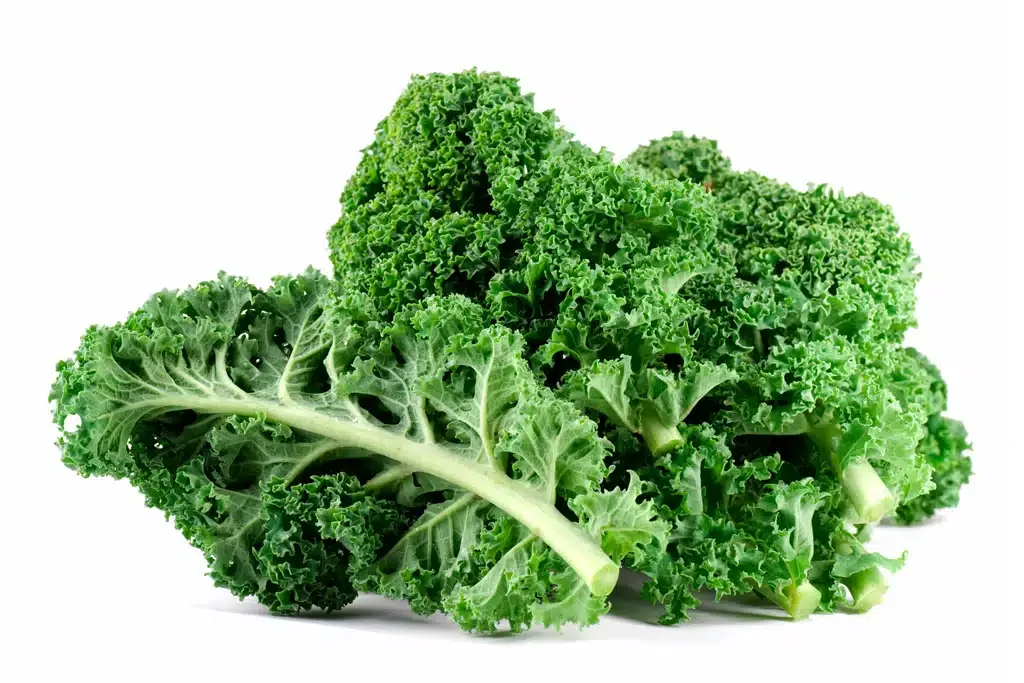
1. Kale
Barbro Bergfeldt/AdobeStock
Trendy kale makes a welcome dinner addition. A brassica (with rutabagas, turnips, broccoli, cauliflower), kale is very high in beta carotene, vitamin K, and vitamin C, and carotenoid pigments. Feed leafy greens like kale raw, dried, or lightly cooked. Try kale chips (vegetarian jerky!) or chop and lightly steam before adding.
2. Zucchini
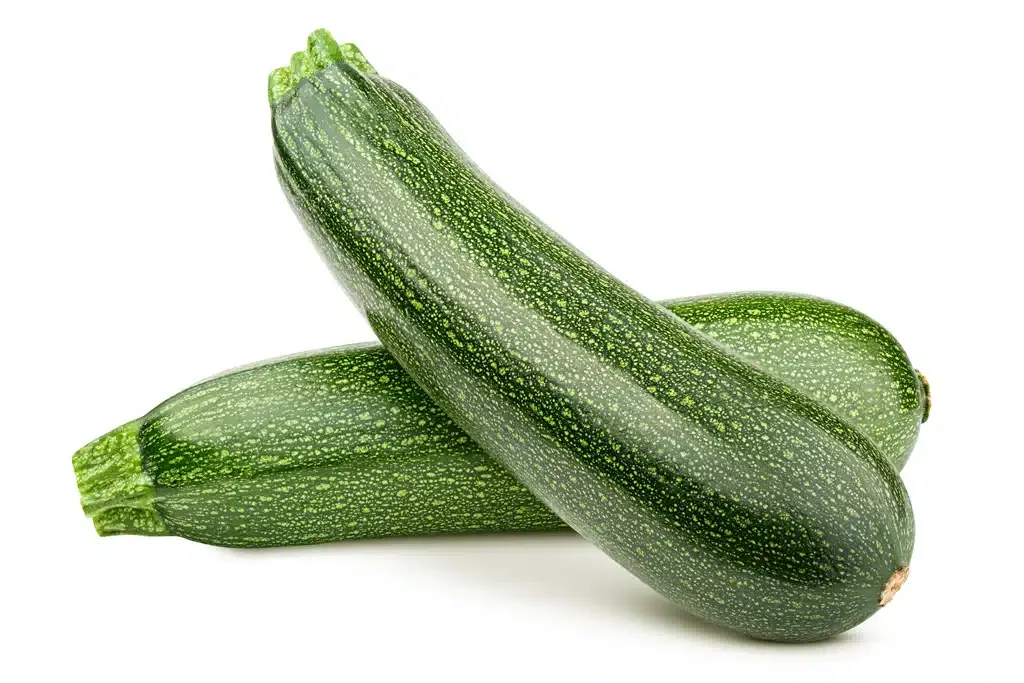
Zucchini is a good source of calcium, potassium, beta carotene, and folate. Serve cooked or frozen, but best raw. Try grating and mixing a bit into dinner!
3. Squash
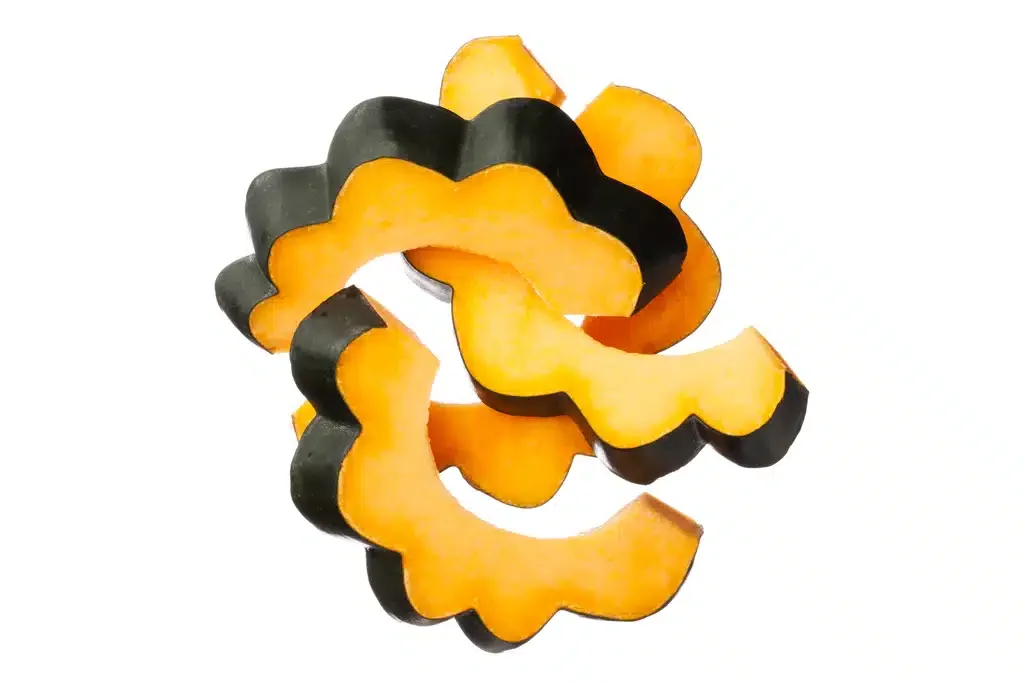
Squash is high fibre and low calorie, great for helping dieting dogs feel full. Like pumpkin, it bulks up stool. Most dogs love its sweet taste and it's a great beta carotene source.
PRO TIP: Cook the squash, remove seeds, then slice and freeze for a fun, crunchy, ready-to-go frozen snack.
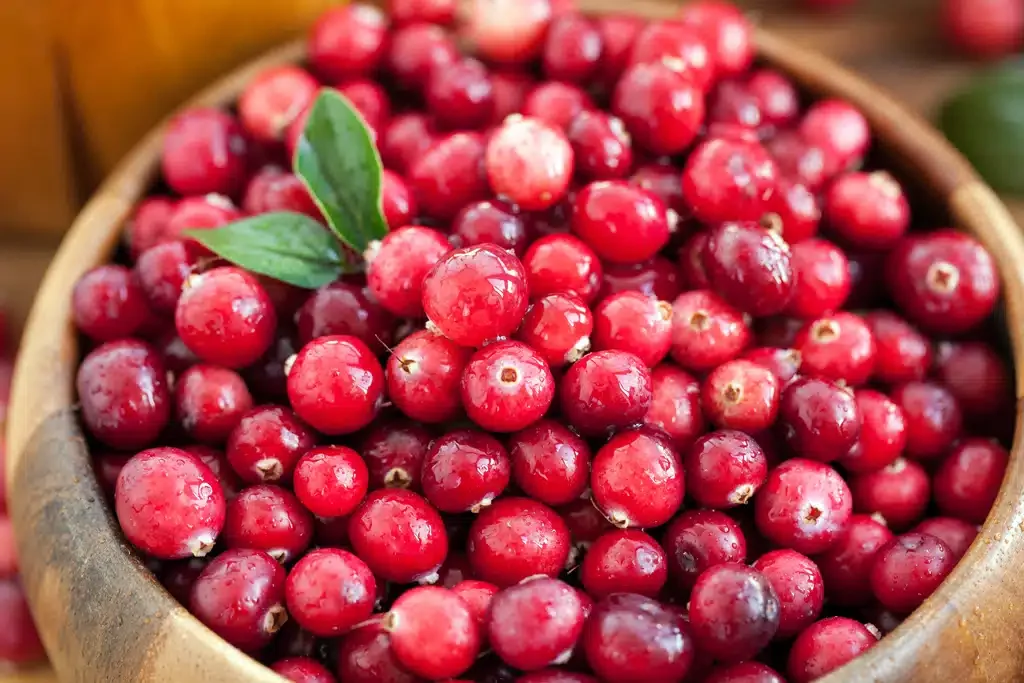
4. Cranberry
KateSmirnova/Bigstock
Cranberries, with vitamin C, manganese, and fiber, help fight UTIs. Most dogs don't like them fresh (too tart!) but stewed is another story. Cook down in a bit of water (no sugar) then add a teaspoon or two to dinner.
5. Pumpkin
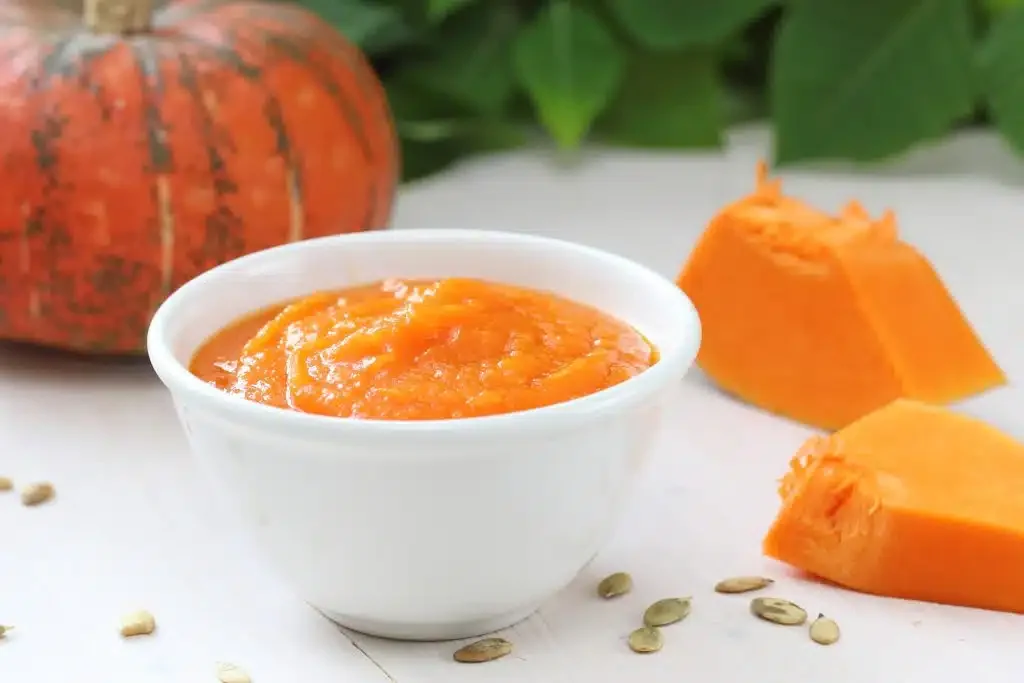
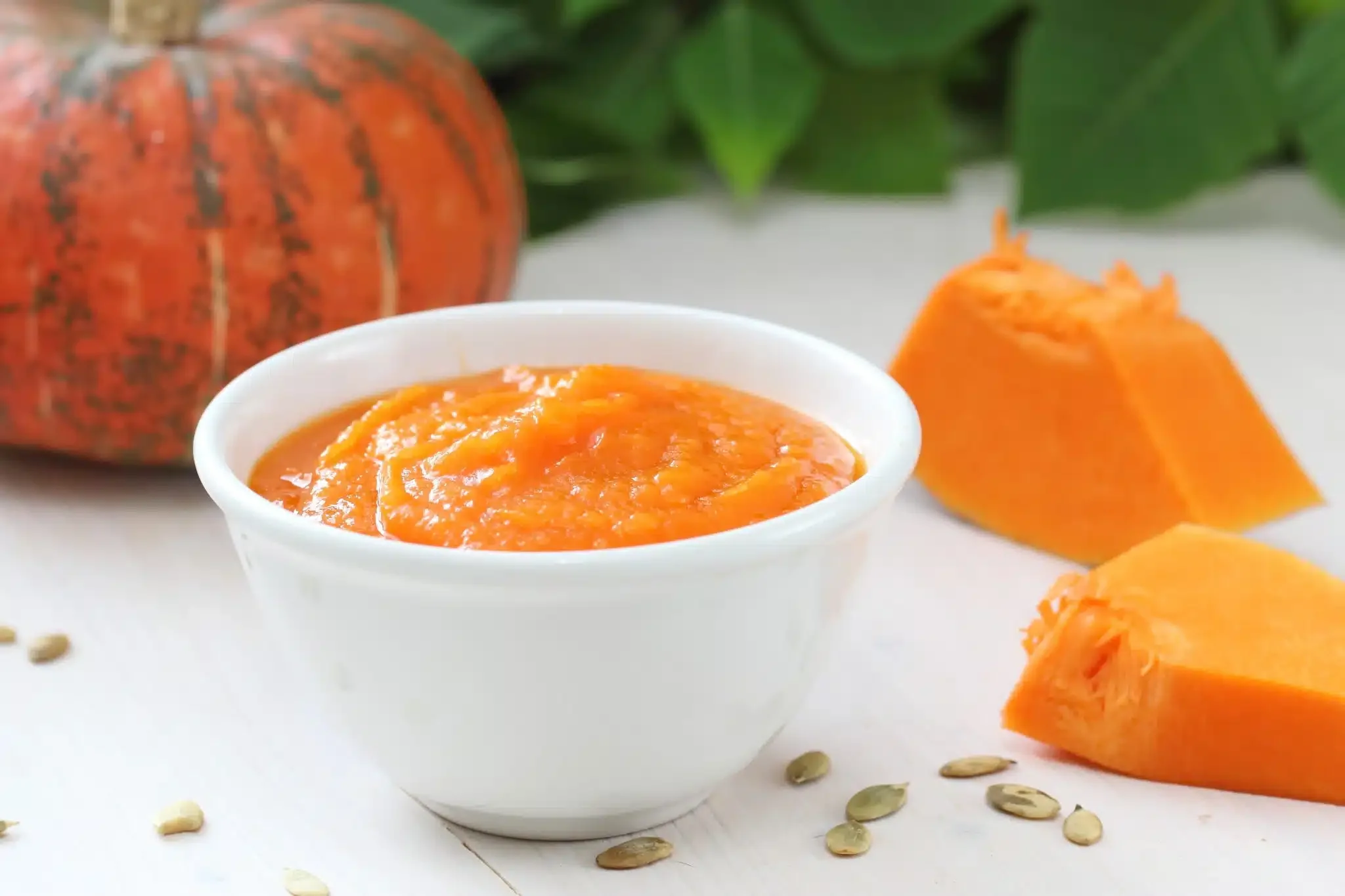
Beta carotene- and fibre-rich pumpkin is bulk forming, keeping the GI tract moving and gut cells healthy. Low calorie, it's a great dinner addition for dieting dogs.
6. Gizzards
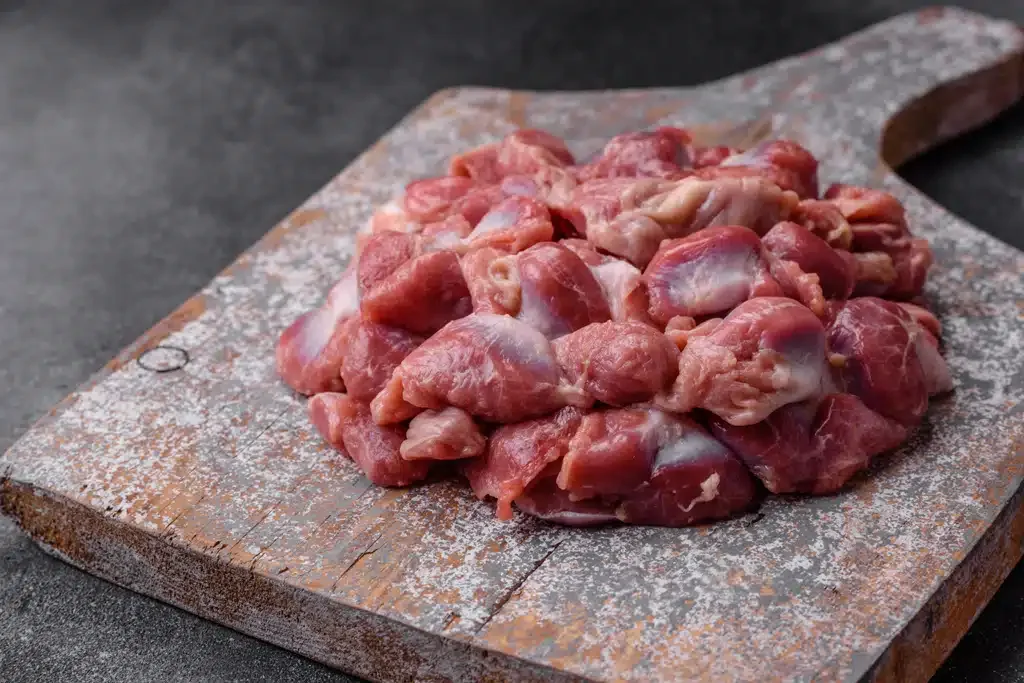
chernikovatv/Bigstock
Gizzards, the organ meats/turkey neck tucked in a whole bird, make an awesome occasional treat. Boil with a bit of water, cut into pieces (discard the neck but keep the cooking water—delicious!). Once cool, give little pieces as a special treat. Organ meats sparingly. Liver is an excellent source of B vitamins, vitamin A, and K, and iron. But too much liver may be toxic due to high vitamin A. Limit liver to not more than 1 g fresh liver/Kg body weight per day.
7. Turkey (or Chicken) Broth
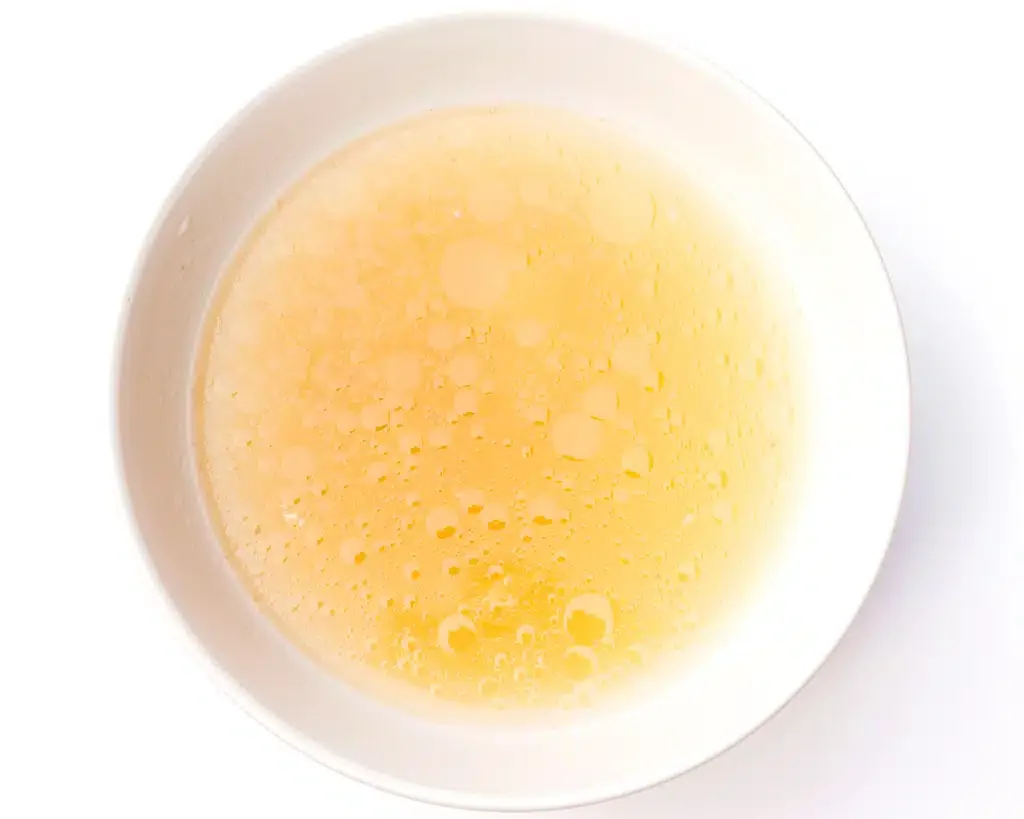
If you've roasted a whole chicken or turkey, save that carcass! Simmer in water for a few hours. Cool, pick meat from bones (discard bones once clean) and you've made a healthy topper he'll love! Pour broth atop dinner—he'll go crazy—and freeze the rest in ice cube trays for single servings (like every day!).
8. Oatmeal
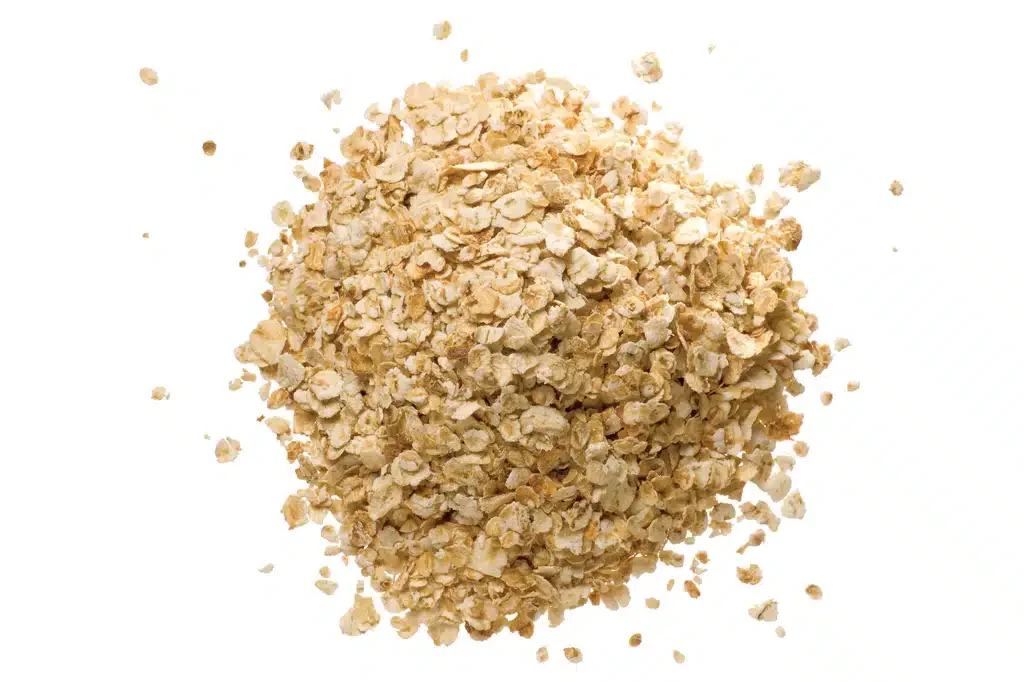
This cold weather breakfast staple is a great soluble fibre source and helps older dogs with bowel regularity. It's also an alternative grain for wheat-allergic dogs. Always feed cooked and plain—no sugar or flavouring. Many microwavable packets contain sugar and flavouring, so nix these.
9. Broccoli
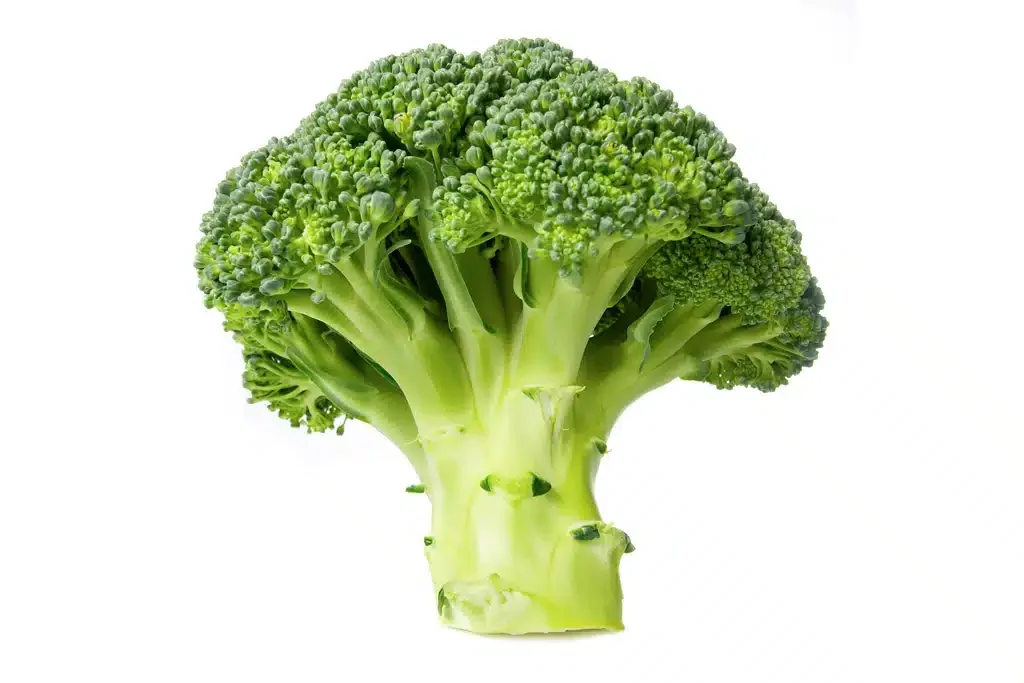
We know dogs—Modern Dog's Miniature Dachshund, Esther, for one—that go wild for raw broccoli florets! Broccoli, a cancer-fighting cruciferous vegetable, is packed with phytochemicals, fibre, calcium, beta carotene, folate, and vitamins A and C, and low in calories. Feed bits raw, cooked, or frozen.
10. Nutritional (Engevita) Yeast
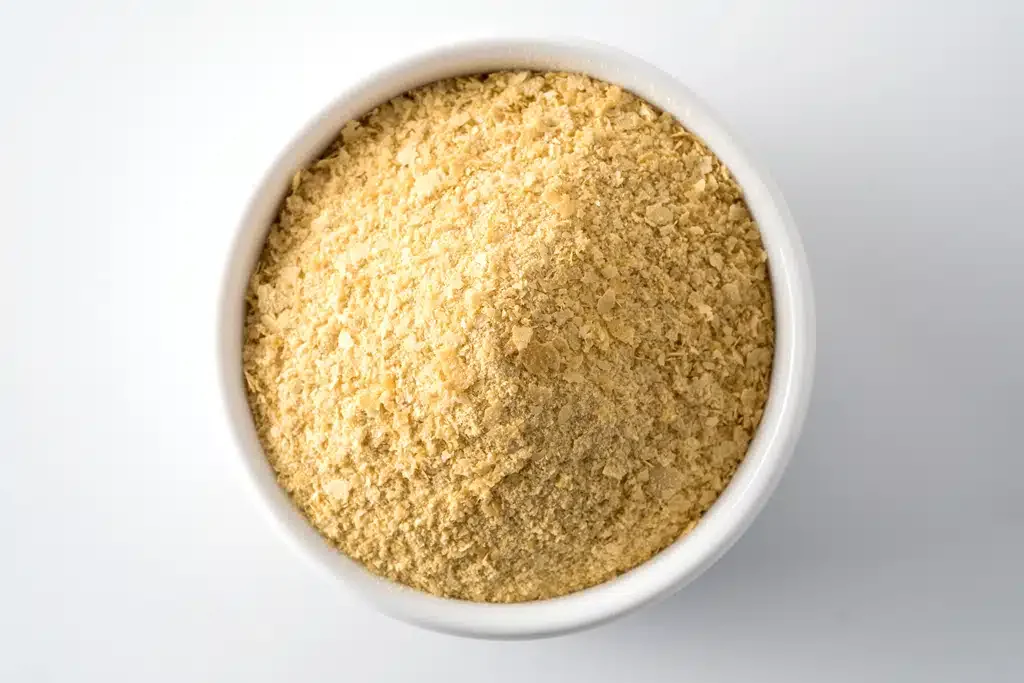
Nutritional yeast is grown under controlled conditions then heat-treated so it's no longer active. A favourite of vegetarians and vegans, it has a nutty or cheesy flavour used as a flavour enhancer—try it on popcorn instead of salt and share a light, healthy snack with your pup! It's rich in B-vitamins, key to fat, carbohydrate, and protein metabolism. Sprinkle a small amount (less than a teaspoon) on dinner to improve palatability.
11. Sweet Potatoes
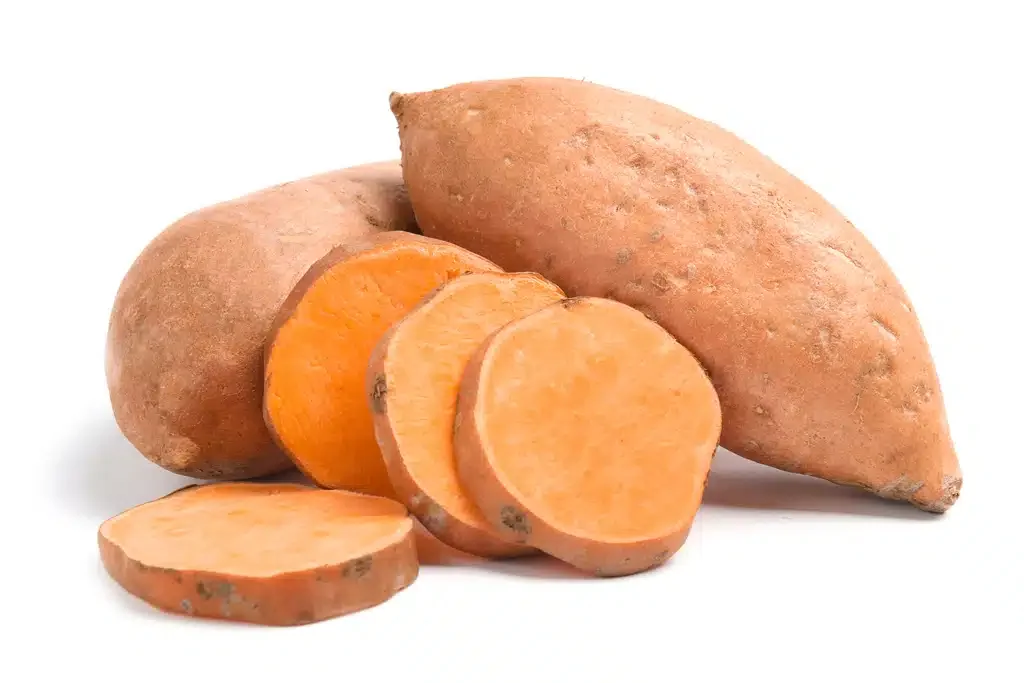
Sweet potatoes are an excellent, fiber- and vitamin-rich addition, highly recommended by Modern Dog Magazine. Dogs love the sweet taste. Easy to prepare at home by slicing and baking at 250°F, or baking whole, mashing, and adding a bit to dinner.
Interested in more 'people' foods you can share with your dog? Click here and here!
Preparation & feeding steps
four measures from the nutrition desk
Transition to a new food over seven days: a quarter, then half, then full.
Talk to your vet before adding any supplement to the bowl.
Weigh the meal - a kitchen scale beats a scooping cup every single time.
Introduce one new ingredient at a time, at least three days apart.