Herbs That Are Safe and Good for Dogs
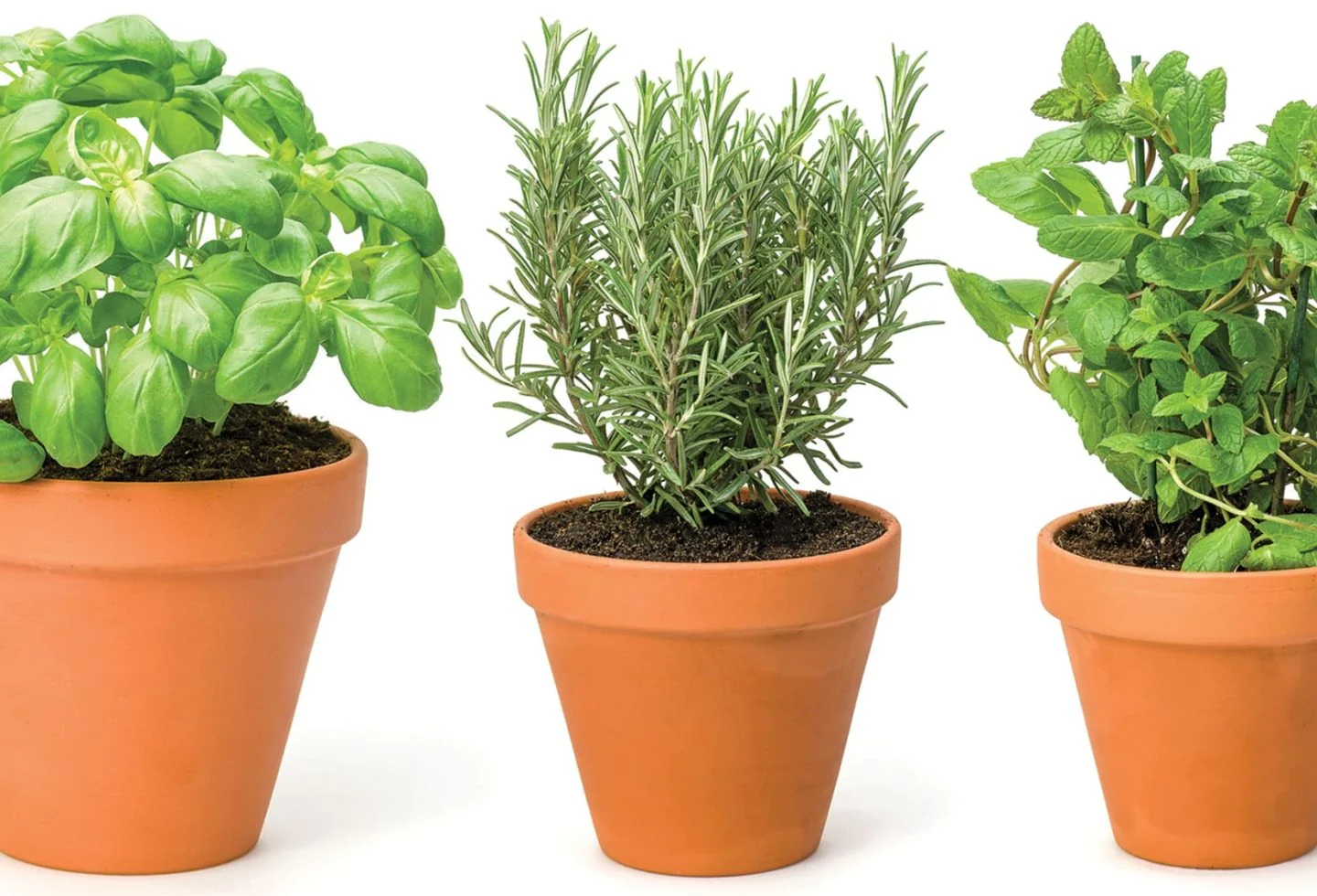
Cancer-fighting, breath-freshening, stomach-soothing herbs that are safe for dogs.
By: Elizabeth Pask and Laura Scott
Last Updated:June 30, 2025
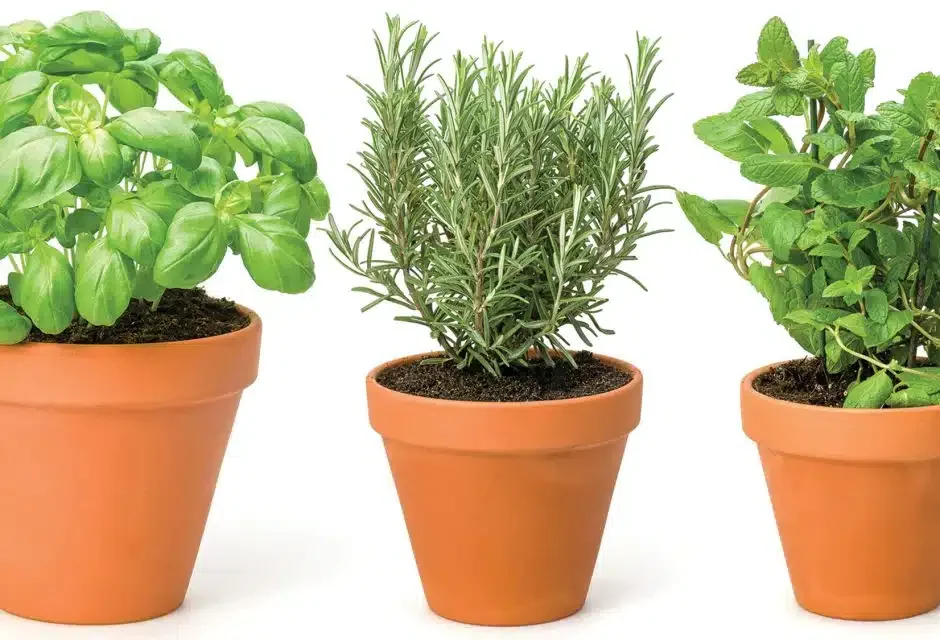
Many herbs are safe and helpful for dogs, offering real health perks. Parsley, rosemary, oregano, peppermint, and basil are all good choices. These herbs can aid digestion, ease inflammation, and support well-being. Wondering which herbs are good for dogs and how to use them? Here's our list, from two veterinary nutritionists, of safe and beneficial herbs.
Herbs That Are Good for Dogs
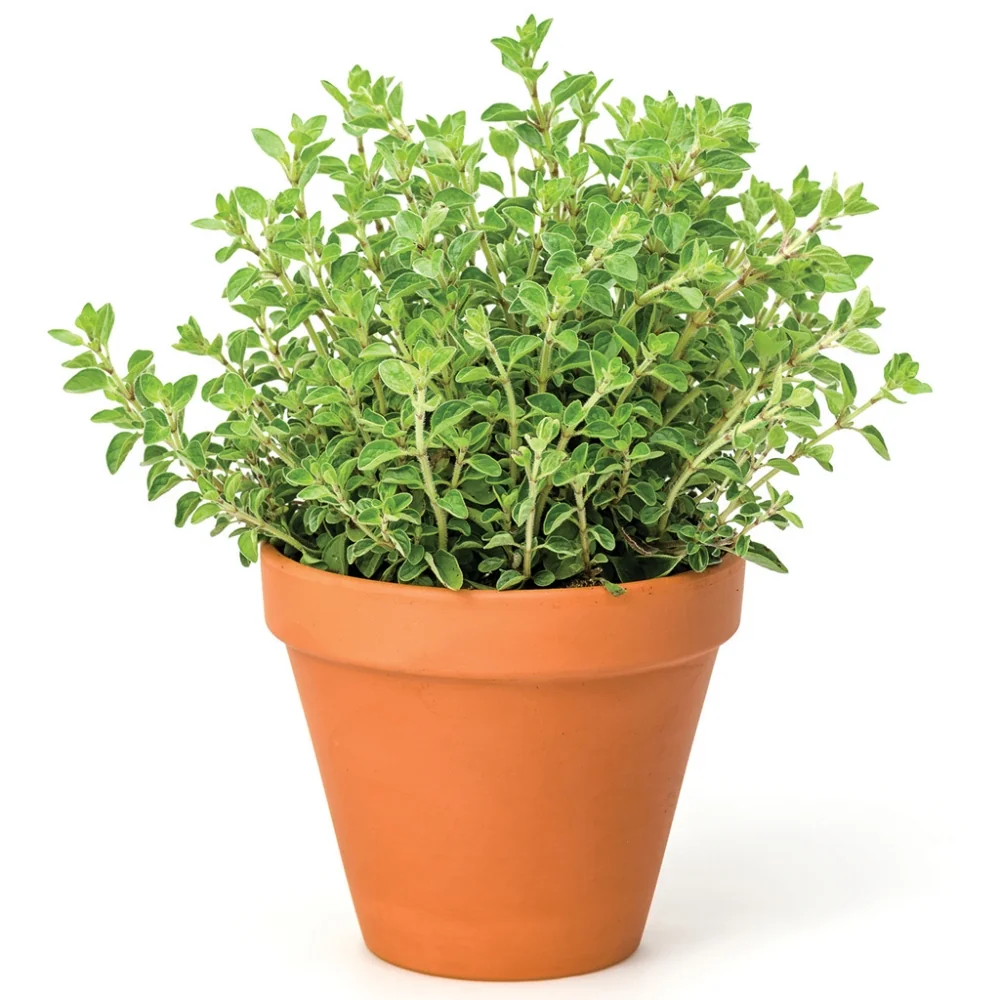
#1 Oregano (Origanum vulgare)
Best known as pizza flavouring, oregano is rich in antioxidants and flavonoids and acts as an antimicrobial. This non-toxic herb has helped with digestive trouble, diarrhea, and gas. Oil of oregano is more concentrated, so keep doses small. For pet-specific oregano drops, see Orega Pet (oregapet.com).
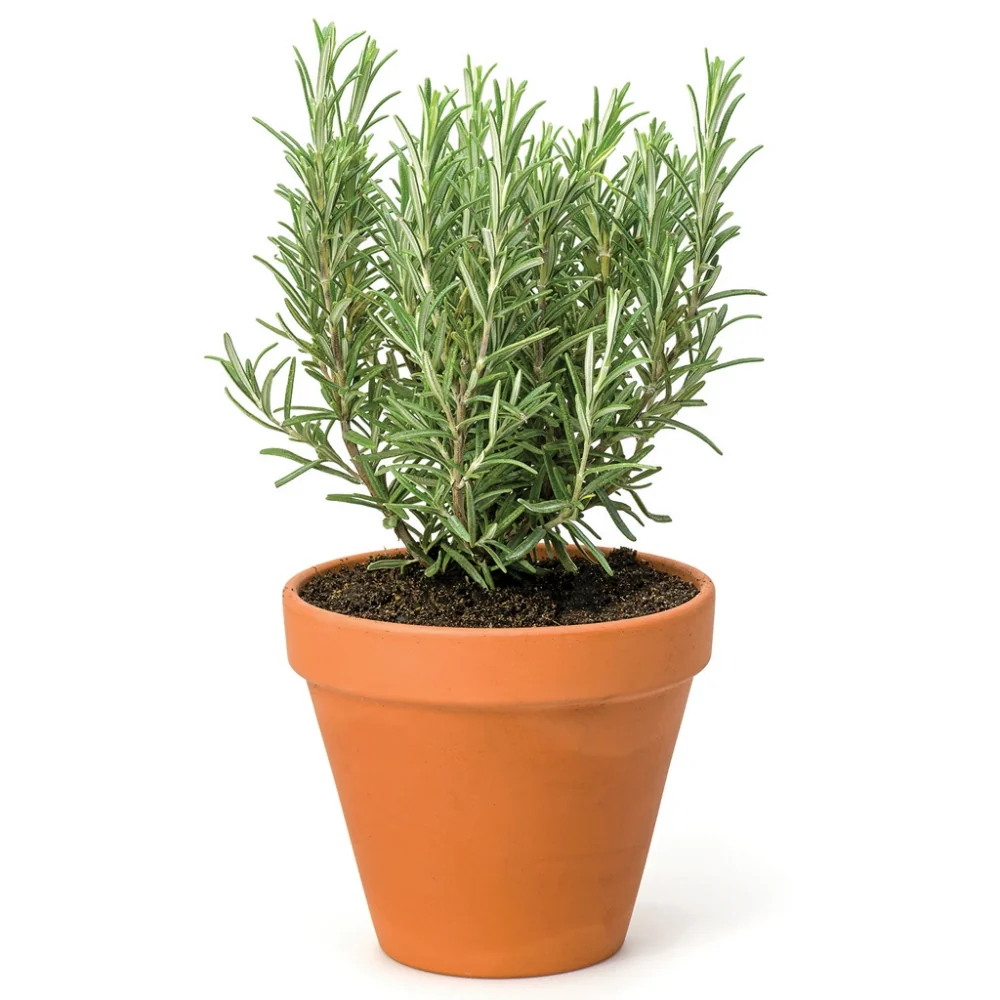
#2 Rosemary (Rosemarinus officinalis)
This dog-friendly herb is high in iron, calcium, and Vitamin B6. Rosemary also works as an antioxidant. (It's very high in iron, but shouldn't replace an iron supplement if needed, since how well its iron is absorbed isn't well studied.)
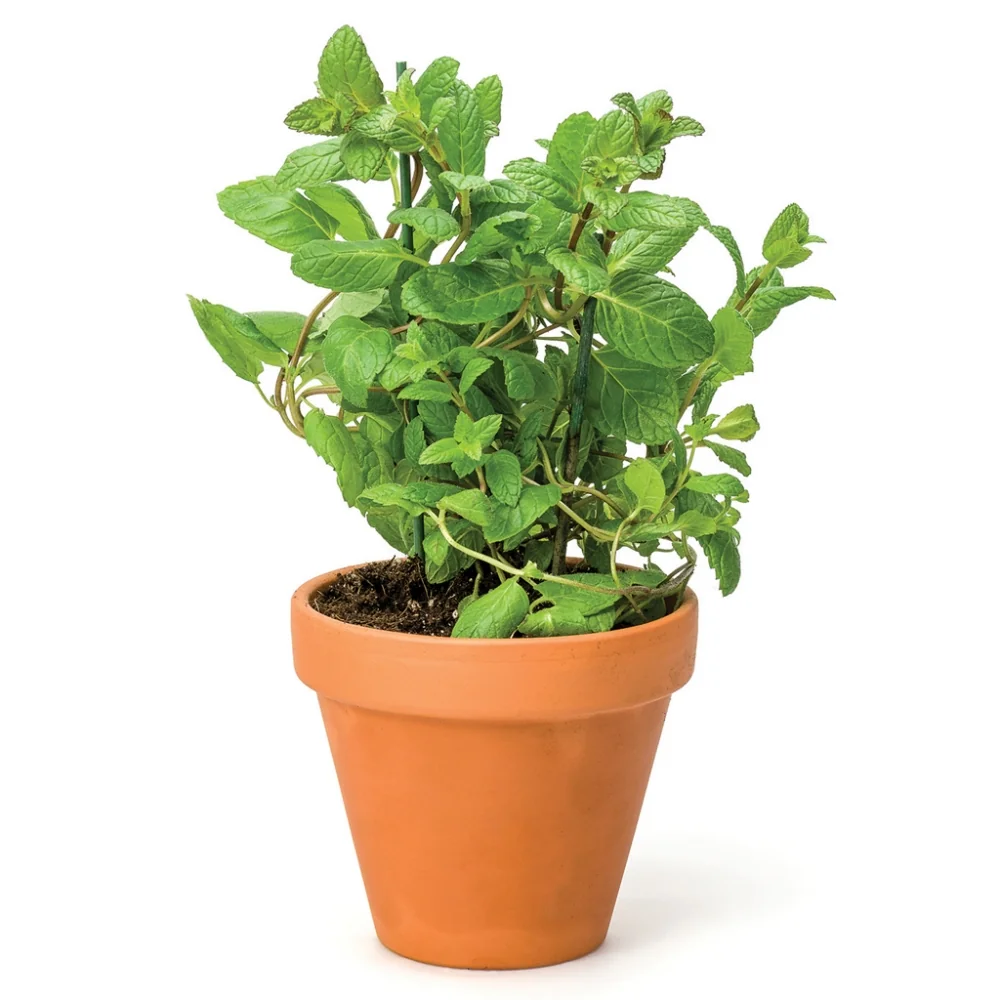
#3 Peppermint (Mentha balsamea)
This aromatic herb has long eased upset stomachs, reduced gas and nausea, and helped with travel sickness. Research also suggests radioprotective effects, possibly reducing radiation sickness in animals undergoing chemo. No reported toxicity for dogs, though very high doses could harm liver or kidneys.
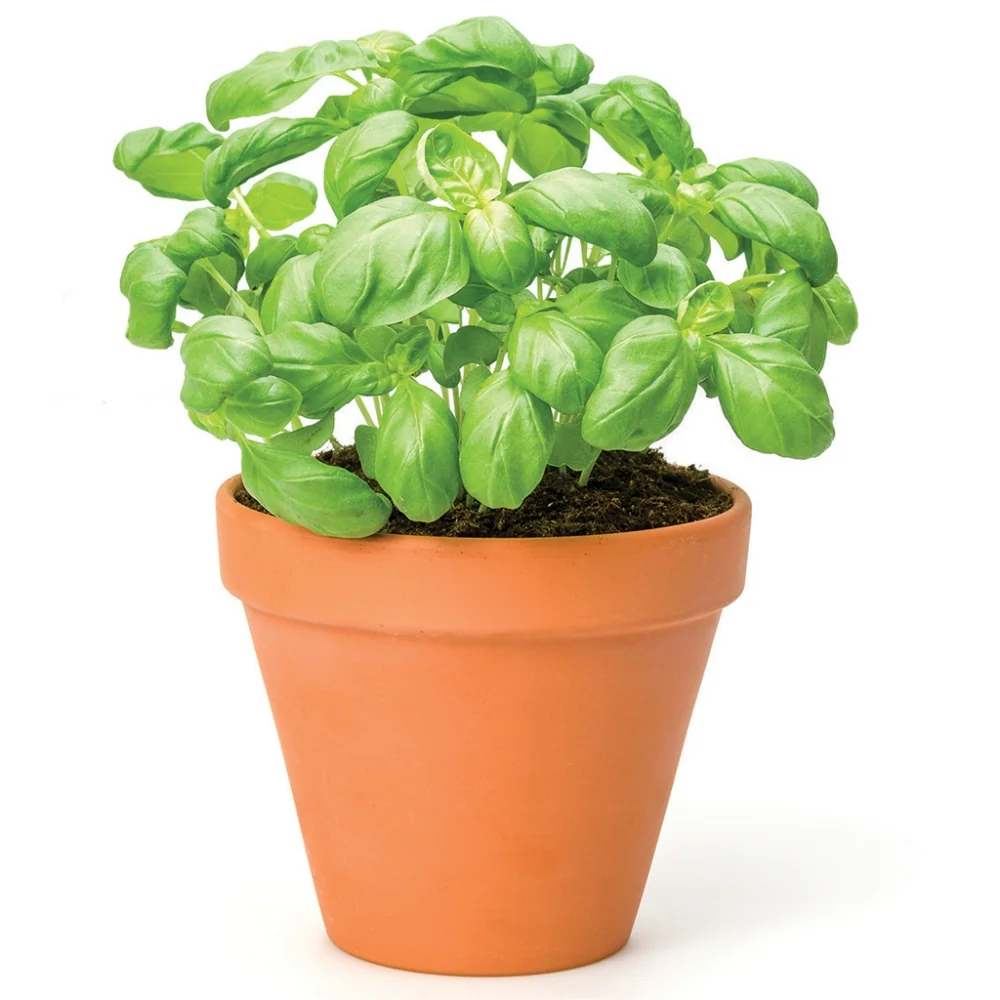
#4 Basil (Ocimum basilicum)
This dog-approved leafy herb, famous in pesto, has antioxidant, antiviral, and antimicrobial properties. Next time you cook with fresh basil, sprinkle a pinch of the chopped herb on your dog's dinner.
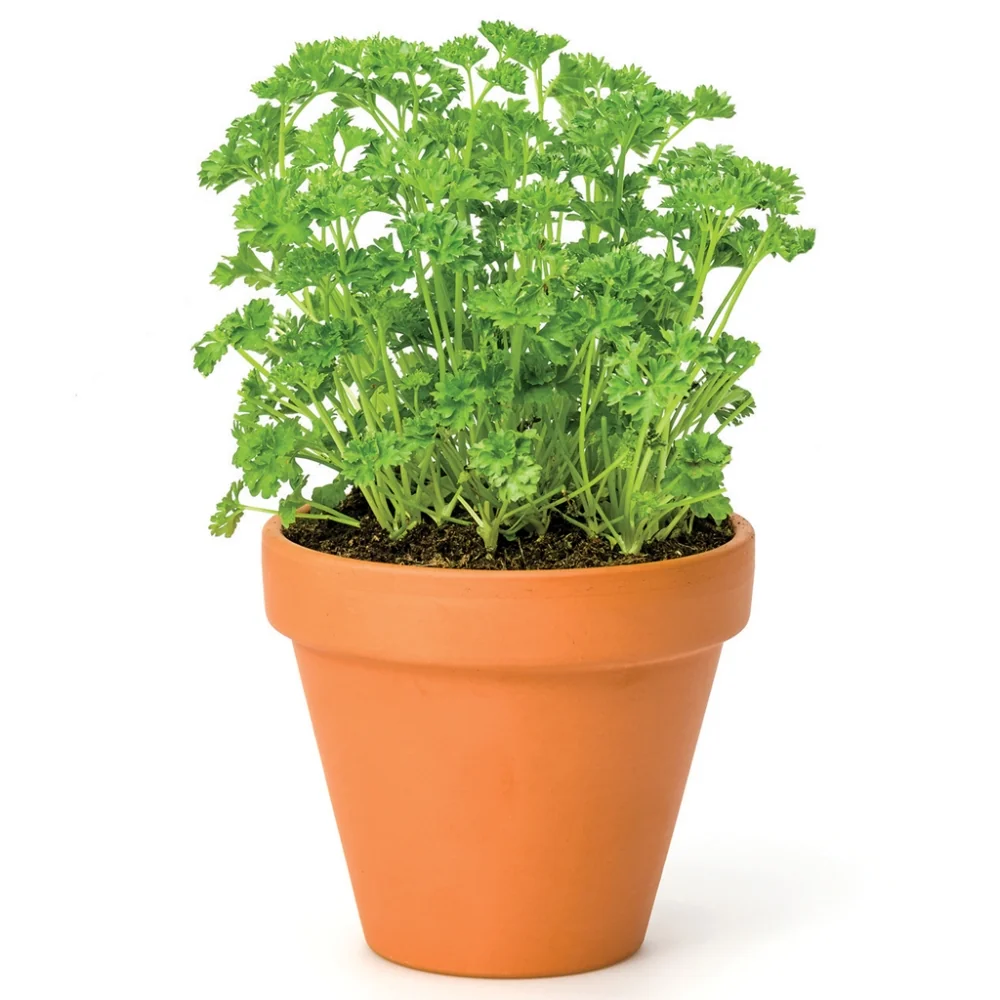
#5 Parsley (Petroselinum crispum)
Another leafy herb often used as a garnish, parsley is a source of flavonoids, antioxidants, and vitamins, plus lycopene and carotenes. Commonly added to dog treats as a breath freshener or to settle the stomach, parsley has a long history with dogs.
Note: 'Spring parsley,' a carrot-family plant that looks like parsley, is toxic to dogs and cats due to high furanocoumerin, which can cause photosensitivity and eye toxicity.
How to Use Herbs for Dogs
Used fresh or dried, a small sprinkle (a pinch for small dogs, a teaspoon for large) on your dog's food is a safe nutritional boost. You can also make your favourite treat recipe a bit healthier and tastier. The flavonoids and antioxidants in these herbs can help the immune system fight age-related diseases, including canine cognitive dysfunction, cancer, and reduced immunity. As noted, there are downsides, so use with care.
Tinctures and oils for many herbs are at health-food stores. These are more concentrated, so if you use tinctures, oils, or higher herb levels, work with your dog's health professional. Sometimes blood work monitoring is needed for safe, continued use. For best effect, use fresh spices—if they've sat in your cupboard for years, toss and replace, since their benefits fade over time.
Wondering what else you can give your dog? See how and why to give your dog turmeric and cinnamon.
This article originally appeared in the award-winningModern Dogmagazine.Subscribe today!
Preparation & feeding steps
four measures from the nutrition desk
Introduce one new ingredient at a time, at least three days apart.
Split the daily ration into two or three calm, seated sittings.
Keep all treats under ten percent of the day's total calories.
Rinse and refill the water bowl morning and evening, without fail.