A Dog Treat Recipe For Fresh Breath
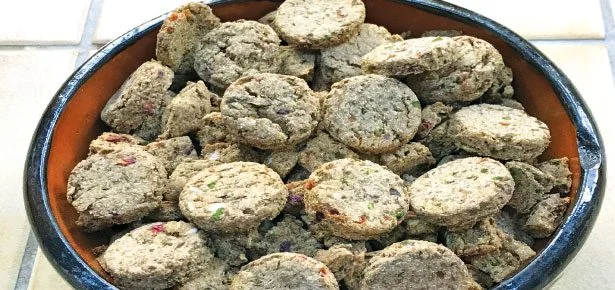
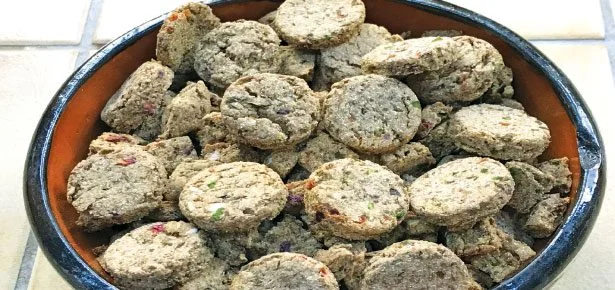
These toothsome dental treats will sweeten your pup's breath and tickle his taste buds!
By: Suzi Beber
Last Updated:October 16, 2018
INGREDIENTS {Note: Organic is best whenever possible}
Pro Tip: Save the broth from cooking the giblets to top your dog's food, or to make another batch of biscuits. *Always consult your vet before feeding your dog new foods
1. Place chicken giblets in pot and cover with filtered water. Bring to a boil. Skim foam with a spoon then turn down and simmer 15 to 20 minutes. Remove from heat.
2. Cover one cookie sheet with parchment paper.
3. Remove giblets from broth, whirl in a food processor until a paste, then transfer to a large bowl. Do the same with remaining ingredients except the flours.
4. Prepare dough by mixing until it pulls away from the mixer sides, or form by hand. If too dry, add a bit of the reserved broth.
5. Sprinkle flour or oatmeal on a board. Transfer dough, knead a few times, roll into shapes. You can roll small pieces into thick "pencils" for walking or training treats. Place on cookie sheet.
6. Place cookie sheet in cold oven. Turn to 350° F. When it reaches temperature, turn to 300° F for half an hour, then 200° F for 1.5 hours.
7. When hard and cool, treats keep in a jar on the counter for a week (though they won't last with hungry pups!). They can also be refrigerated in an airtight container and frozen.
SUPER FOOD INGREDIENTS
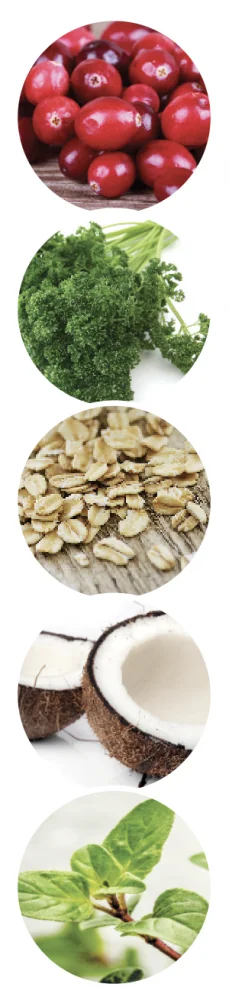
CRANBERRIES contain biologically active compounds including flavonoids, phenolic acids, anthocyanins, and condensed tannins. Research shows pure cranberry juice may fight cavities as well as bladder infections. Researchers from the University of Rochester and Rutger's found cranberry substances may inhibit enzymes behind dental plaque and stop bacteria from sticking. These compounds also prevent acid formation and reduce acid tolerance of decay-causing bacteria.
PARSLEY has a long history with dogs, note veterinary nutritionists Elizabeth Pask and Laura Scott. Its potent antimicrobial properties make it the perfect breath freshener and stomach soother. Use only leaves and stems, not seeds. Juliette de Bairacli Levy, Mother of Herbal Medicine for dogs, cats, and stable animals, recommends minced fresh parsley, one teaspoon per five kg body weight, added to food.
*Note: by parsley we mean culinary parsley (curly or flat leaf), not spring parsley, a different plant toxic to dogs, though both can cause photosensitivity in massive doses.
OATS are a strength-giving cereal. Low in starch and high in minerals, especially potassium, phosphorus, magnesium, and calcium. Oats are rich in vitamins B, E and G. They're nutritive and support strong teeth, and are known as a nerve, blood, and hair tonic.
COCONUT contains medium-chain saturated fats transformed into energy, with anti-inflammatory properties that decrease bacterial growth, irritation, and inflammation.
OREGANO contains carvacrol and thymol, with anti-fungal and anti-parasitic properties. It is a strong antiseptic herb.
Preparation & feeding steps
four measures from the nutrition desk
Transition to a new food over seven days: a quarter, then half, then full.
Talk to your vet before adding any supplement to the bowl.
Weigh the meal - a kitchen scale beats a scooping cup every single time.
Introduce one new ingredient at a time, at least three days apart.