What's the Difference Between the Parson, Jack, and Russell Terriers?
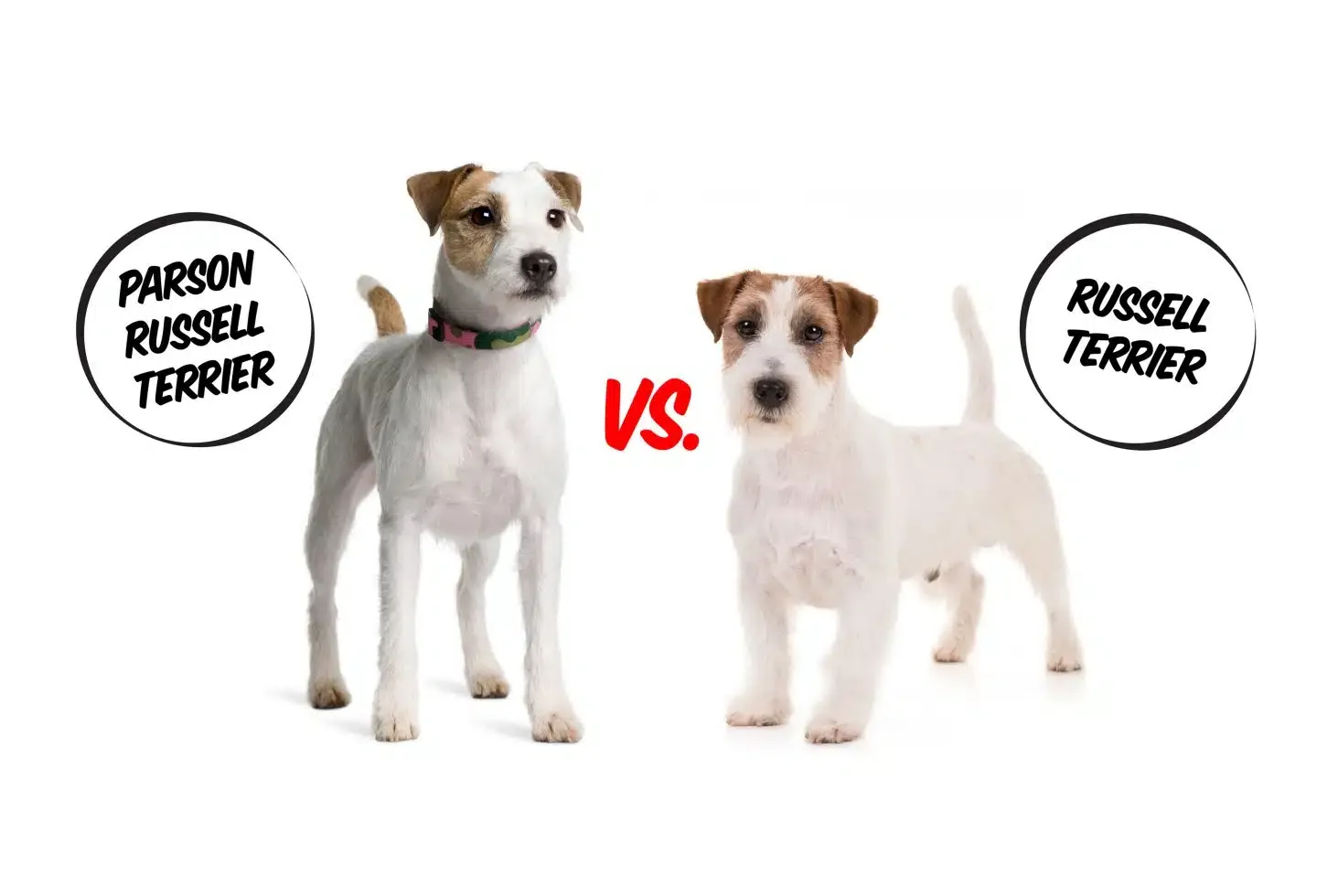
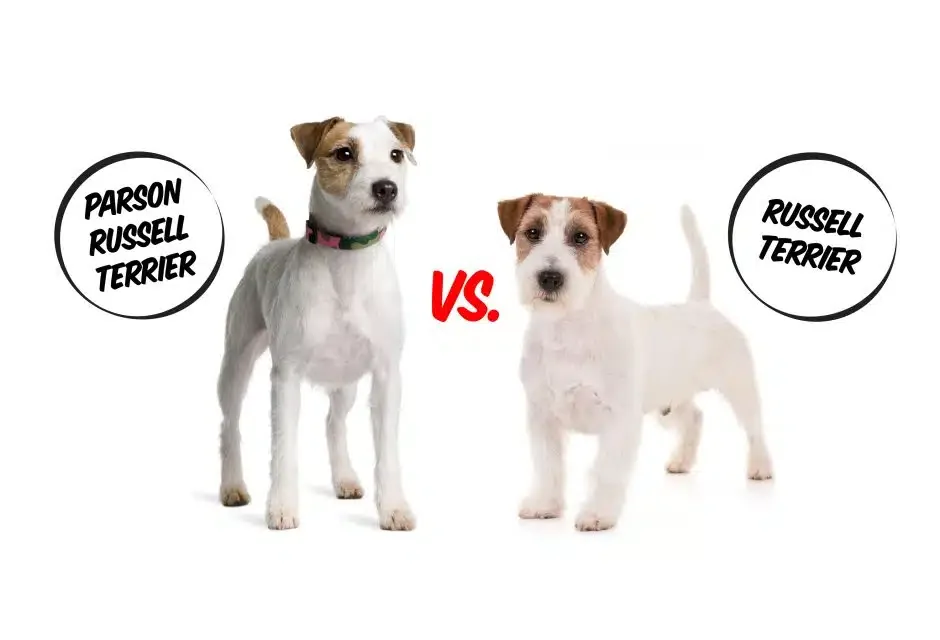
The Parson, Jack, and Russell Terriers are easily confused. Here's the lowdown on what sets them apart.
By: Kelly Caldwell
Last Updated:June 25, 2025
Is it a Jack Russell, a Parson Russell Terrier, or simply a Russell Terrier? What on earth is the difference? Let's find out.
Adorable, energetic, and clever, these mostly-white little terriers strut around with huge personalities. Many call them Jack Russells, but what you're likely seeing is a Parson Russell Terrier or a Russell Terrier—at least as far as the American Kennel Club (AKC) is concerned.
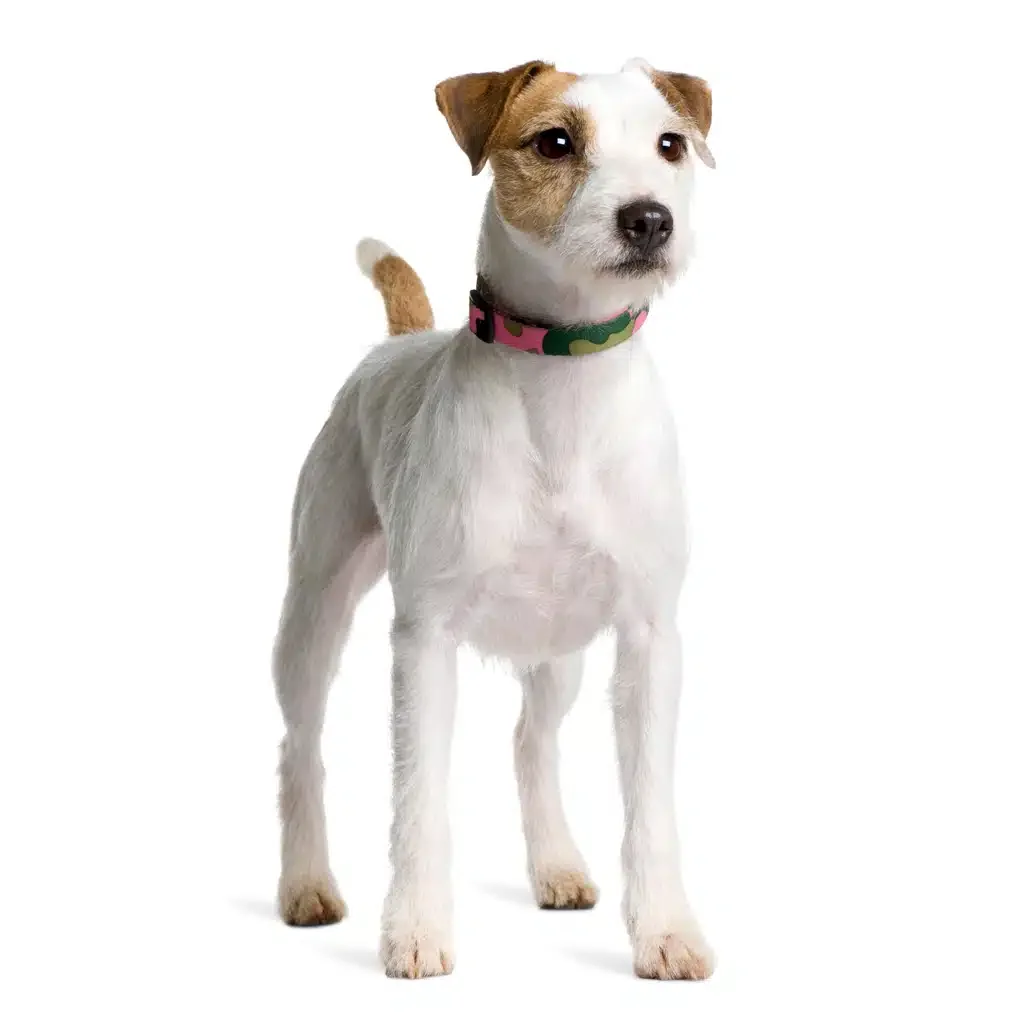
Parson Russell TerrierEric Isselée/AdobeStock
Formerly Known as the Jack Russell Terrier: A Contentious Name Change
First, let's clear up the messy part. Per the AKC and CKC, the Parson Russell Terrier is the same breed as the Jack Russell Terrier—same standard, just a new name. Other clubs, like the JRTCA, rejected the rename and keep their own standard under the original name. As far as the AKC is concerned, there's no longer a recognized breed called the Jack Russell Terrier.
According to the AKC and CKC, the Parson Russell Terrier is the same as the Jack Russell Terrier—it's the same breed/standard, just with a name change.

Early Origins
The Jack Russell, Parson Russell, and Russell Terriers share roots tied closely to the Fox Terrier—an English breed that appeared in the 18th century.
Fox hunting was popular then, and hunters needed tough, energetic, determined little dogs to flush foxes from their dens. Fox Terriers were built from several terrier types, including the Bull Terrier and the now-extinct English White Terrier.
Early Fox Terriers were larger and more varied than today. A mostly white coat was prized for visibility during hunts. Beyond colour, early breeding focused on function and temperament over a fixed look.

By the 1870s, fanciers drafted a breed Standard to keep the Fox Terrier's type and temperament consistent.
Putting the 'Jack' in 'Jack Russell': The Clergyman Who Changed Everything
During the Fox Terrier's development, one man envisioned a different ideal hunting companion. Reverend John 'Jack' Russell, an English fox-hunting enthusiast, bred Fox Terriers but wanted to head in a slightly different direction.
To him, the ideal hunting terrier was small, agile, tireless, and relentless in pursuit of quarry. He wanted a small size—small enough to enter dens after foxes and other small animals.
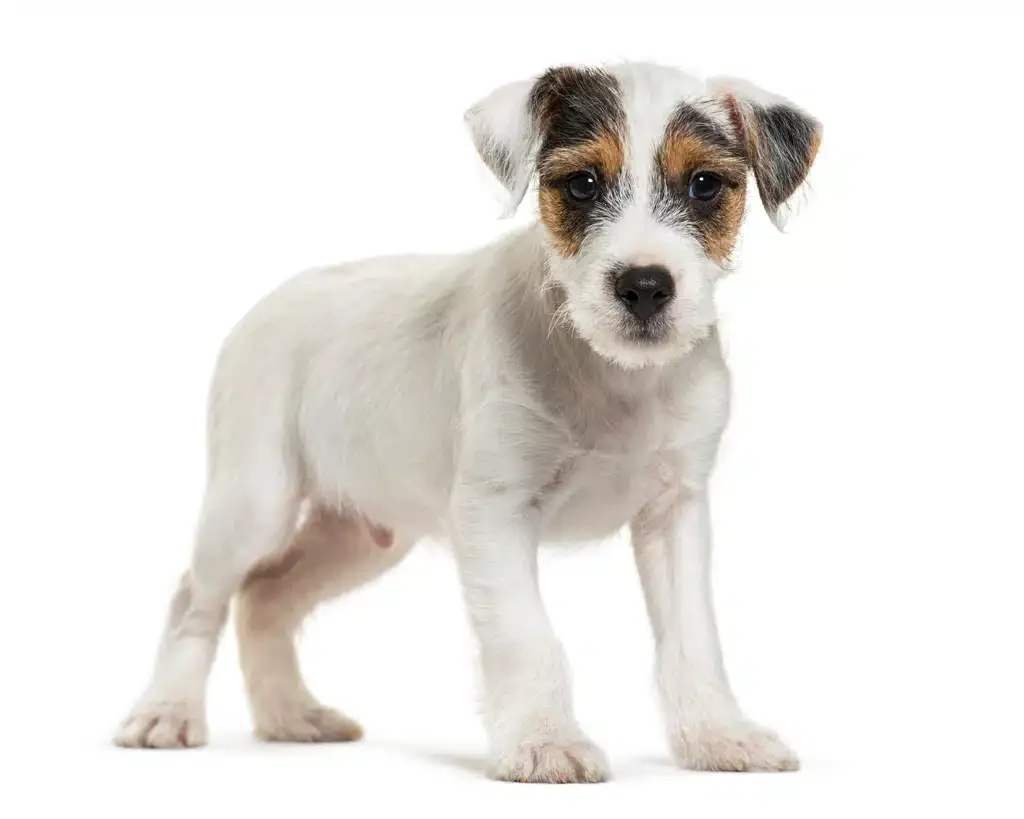
Life on White/Bigstock
While a mostly white coat was wanted, Russell's passion was always temperament and drive. A specific look wasn't the goal; form followed function. A white-and-tan terrier named 'Trump' is seen as the mother of his breed—high-energy, strong prey drive, yet very affectionate.
Ultimately, his work led to recognition of a distinct breed—a small, agile terrier with stamina and a love of hunting. The bold dogs he bred became known as Jack Russell Terriers.
AKC Recognition
Over time, both the Fox Terrier and the Jack Russell Terrier took on more standardized looks and temperaments. The Fox Terrier, for example, split into smooth and wire-haired varieties.
While Jack Russells had earned recognition by the mid-1800s for their hunting skill and traits, formal breed standards only emerged in the 20th century.
The AKC recognized the Jack Russell Terrier in 1997. In 2004, amid much controversy, the AKC renamed it the Parson Russell Terrier.
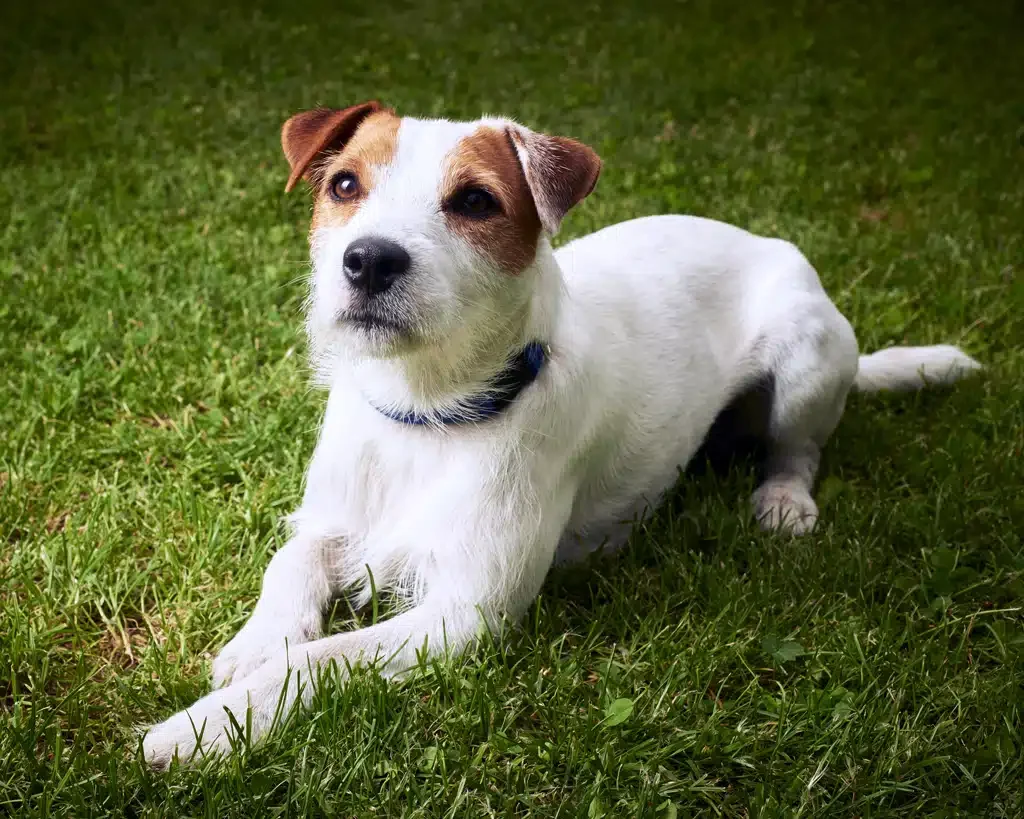
It's no surprise these dogs caught on in America, but AKC recognition took time. The Jack Russell Terrier Club of America (JRTCA) was already registering dogs under strict standards, so many fanciers saw no need for AKC recognition. A dedicated few spent a decade pursuing it. The AKC recognized the Jack Russell Terrier in 1997, then in 2004 renamed it the Parson Russell Terrier to separate it from other small terriers casually called Jack Russells that didn't meet AKC standard. (The AKC promotes standards for both temperament and type, while the JRTCA focuses on working ability and function, so its dogs vary more in looks.)
Introducing the Russell Terrier
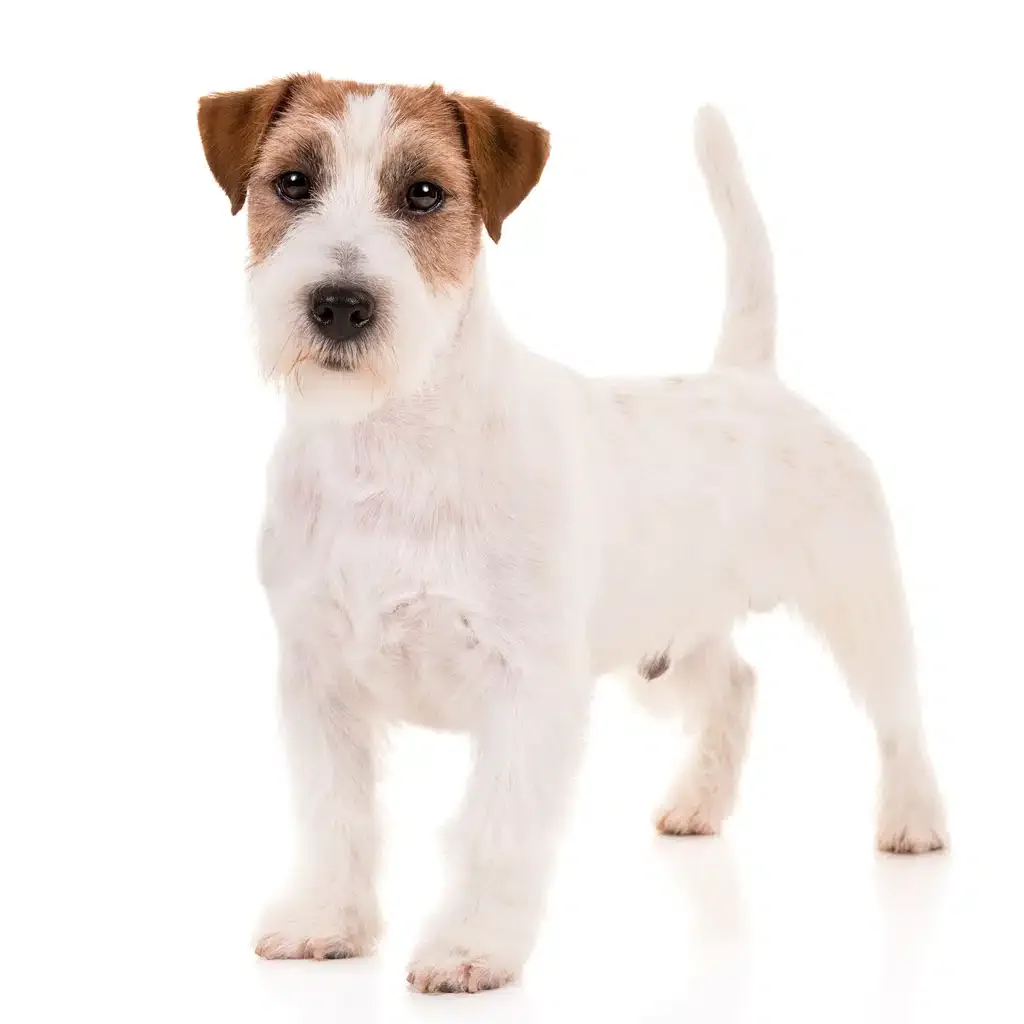
Russell TerrierThomas Pitera © American Kennel Club
The Russell Terrier—AKC-recognized in 2012—is a smaller take on the Parson. Most development happened in Australia, where the dogs' role differed from England's. Fans of the Parson wanted a more compact version versatile enough for hunting and other dog sports.
The Russell Terrier—recognized by the AKC in 2012—is a smaller version of the Parson.
The two breeds are very alike physically and in temperament. Still, though the differences seem small, fanciers and the AKC deemed them important enough to treat as two distinct breeds.

Key Differences
Let's look at the differences as defined by the AKC standards.
Size:
Parson Russell Terrier (formerly the Jack Russell Terrier):Ideal height is 14 inches at the top of the shoulder blade for males; 13 inches for females. The body is rectangular, medium-boned, and well proportioned.
Russell Terrier:Height runs 10 to 12 inches at the withers for both sexes. The Russell is more compact than the Parson.
Coat:
Parson Russell Terrier:Typically a hard, wiry coat, straight or slightly waved. Colour is white, mostly white with black or tan, or tri-colour.
Russell Terrier:Coat may be smooth, broken, or rough. Markings are open, but the coat must be at least 51% white with black or tan markings.

Life on White/Bigstock
Head:
Parson Russell Terrier:Strong and well-proportioned, the flat skull has a clear stop (where forehead meets muzzle). The muzzle is moderately narrow and strong.
Russell Terrier:Slightly broad, flat, with a well-defined stop.
Ears:
Parson Russell Terrier:V-shaped ears drop forward close to the cheeks.
Russell Terrier:Small V-shaped ears fold forward near the head.
Temperament: Russell Terrier vs Parson Russell Terrier
With shared working-terrier roots, both breeds are highly intelligent and quick learners. They're independent by nature, and with trademark terrier stubbornness, training can be a challenge.
Social by nature, both the Parson and Russell Terriers are happiest with people. These affectionate dogs bond closely with their families. Early socialization matters—plenty of exposure to people and pets eases their naturally territorial streak. They're also playful, alert to everything around them.

Lubo Ivanko/AdobeStock
Is the Parson Russell or Russell Terrier Right for You? Some Practical Considerations
How do you feel about barking? Because both of these terriers enjoy it—a lot.
These highly alert dogs notice everything around them. Nothing escapes the Parson or Russell Terrier. So if you want a calm, quiet dog, keep looking. The Parson is the more moderate barker, but both are high-energy. If you want a dog that tells you everything going on, either is a fine choice.
Both of these terriers bark—a lot.
Another point: these dogs love to dig. Are they after something? Often, no. Remember they were bred to dig into dens. Gardeners, take note—neither tenacious terrier will spare your prize roses. If a pristine yard matters, these likely aren't your dogs.
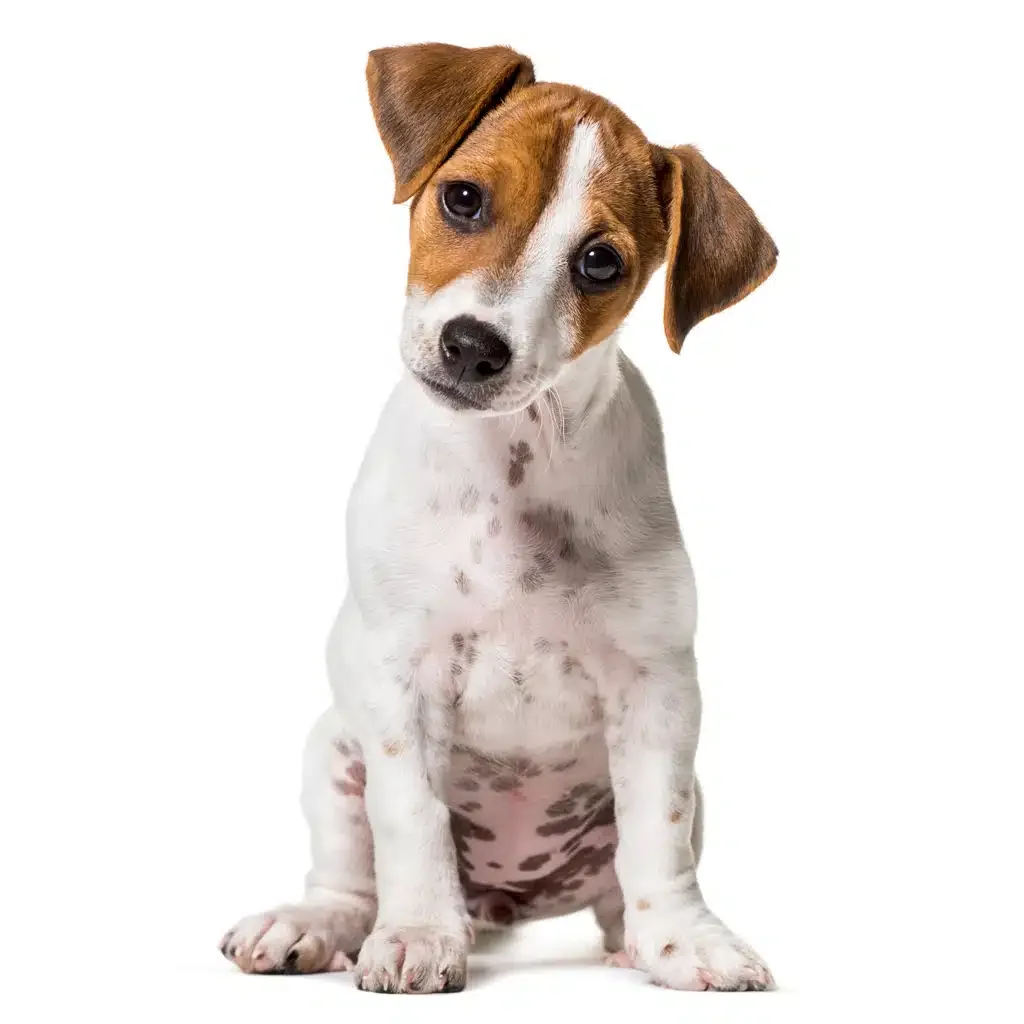
Life on White/Bigstock
Speaking of yards, their strong prey drive means a fenced yard is wise. The smaller Russell may suit apartments better, but ideally both should have a secure, fenced space to roam and play.
Finally, with kids or other pets, some caution helps. Early socialization and steady training are key to good relationships with the whole family and other animals. Affectionate and playful with children, their energy is high, and their terrier habit of reacting to rough handling means supervision prevents accidental knocks and teaches gentle hands.
Get to Know the Parson Russell and Russell Terriers
Energy Level and Exercise Requirements
The Russell is smaller, but don't assume its energy shrinks with its size. The Russell may be a bit easier to manage, but both need lots of exercise and mental stimulation. A couple of long walks and several play sessions are the minimum. Left alone too long, or without enough outlets, both breeds turn destructive. A tired terrier is a good terrier, as they say.

Parson Russell Terriers tend to have a calmer manner than their intense cousins, but both are smart, independent, and fast learners. Easy to train? Not really.
Training
It's fair to say the whole Terrier Group has a reputation for being hard to train. Smart, independent, and famously stubborn, these dogs don't wake up eager to please. Patience, positive reinforcement, and plenty of practice are required.

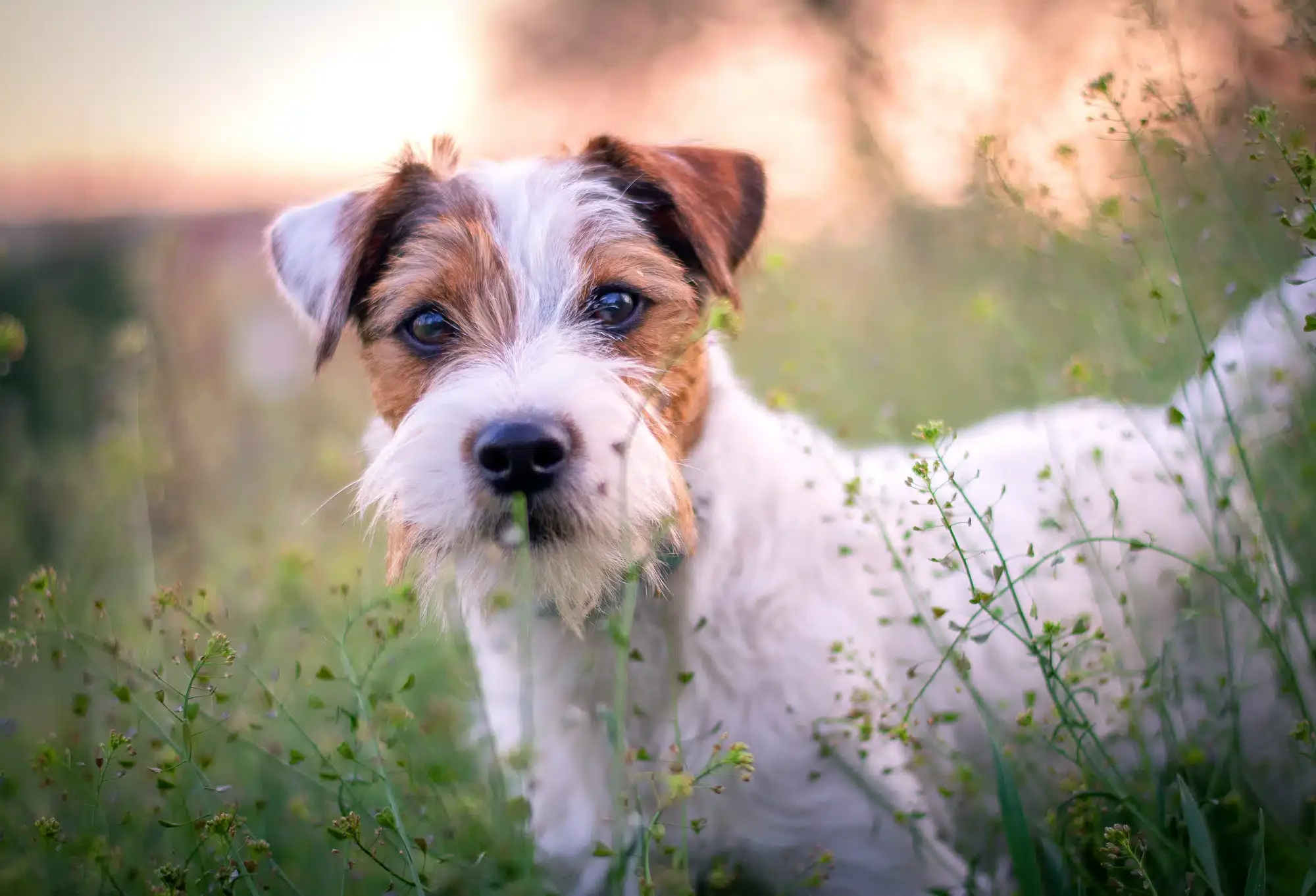
Kristyna Mrazkova/Shutterstock
Would I suggest either breed for a first-time owner? Probably not. There's a lot of dog in these little guys. They need much time, effort, and understanding.
Along with socialization, owners should commit to steady, consistent training from an early age. Use only positive reinforcement, and meet their exercise needs for a happy, well-behaved dog.
Out and About
Just because you won't take them fox hunting doesn't mean you can't give both breeds plenty of mental and physical stimulation. What suits them? Just about anything!

Inside Creative House/Shutterstock
Agile, fast, and energetic, activities like Agility and Flyball come naturally. Even more natural? Simulated hunting such as Earthdog, which lets your dog do what comes naturally—in a controlled, kinder way.
Health Considerations
These are fairly healthy breeds with a lifespan of 13 to 15 years, but like all purebreds they can face some genetic issues. Hip dysplasia, for example, is one to watch.
With shared ancestry, the Parson and Russell Terriers have much in common. Intelligent, agile, and tenacious—they're built to be great hunting companions. At home, they're affectionate, fun, and eager to join in. Small in stature but big in spirit, it's no wonder these two terriers have won so many dog-lovers' hearts.

Kristyna Mrazkova/Shutterstock
At-a-Glance Profiles:The Parson Russell & The Russell Terrier
The Parson Russell Terrier is the taller of the two, ideal height 13 to 14 inches at the withers, while the Russell ranges 10 to 13.
Both breeds descend from the Jack Russell Terrier, bred in England in the 1800s as tireless, agile helpers on fox hunts.
These dogs need plenty of daily physical and mental stimulation to thrive. Ideally give them a fenced yard to run and play.
Average. Low maintenance overall, but they shed seasonally and, with that white coat, regular baths are in order.
If you like these terriers, consider the Wire Fox Terrier, the Rat Terrier, or the Smooth Fox Terrier.
» Read Your BreedFor more breed profiles, go tomoderndogmagazine.com/breeds
Preparation & feeding steps
four measures from the nutrition desk
Transition to a new food over seven days: a quarter, then half, then full.
Talk to your vet before adding any supplement to the bowl.
Weigh the meal - a kitchen scale beats a scooping cup every single time.
Introduce one new ingredient at a time, at least three days apart.