A Vet Shares What You Need to Know About Dog Nutrition
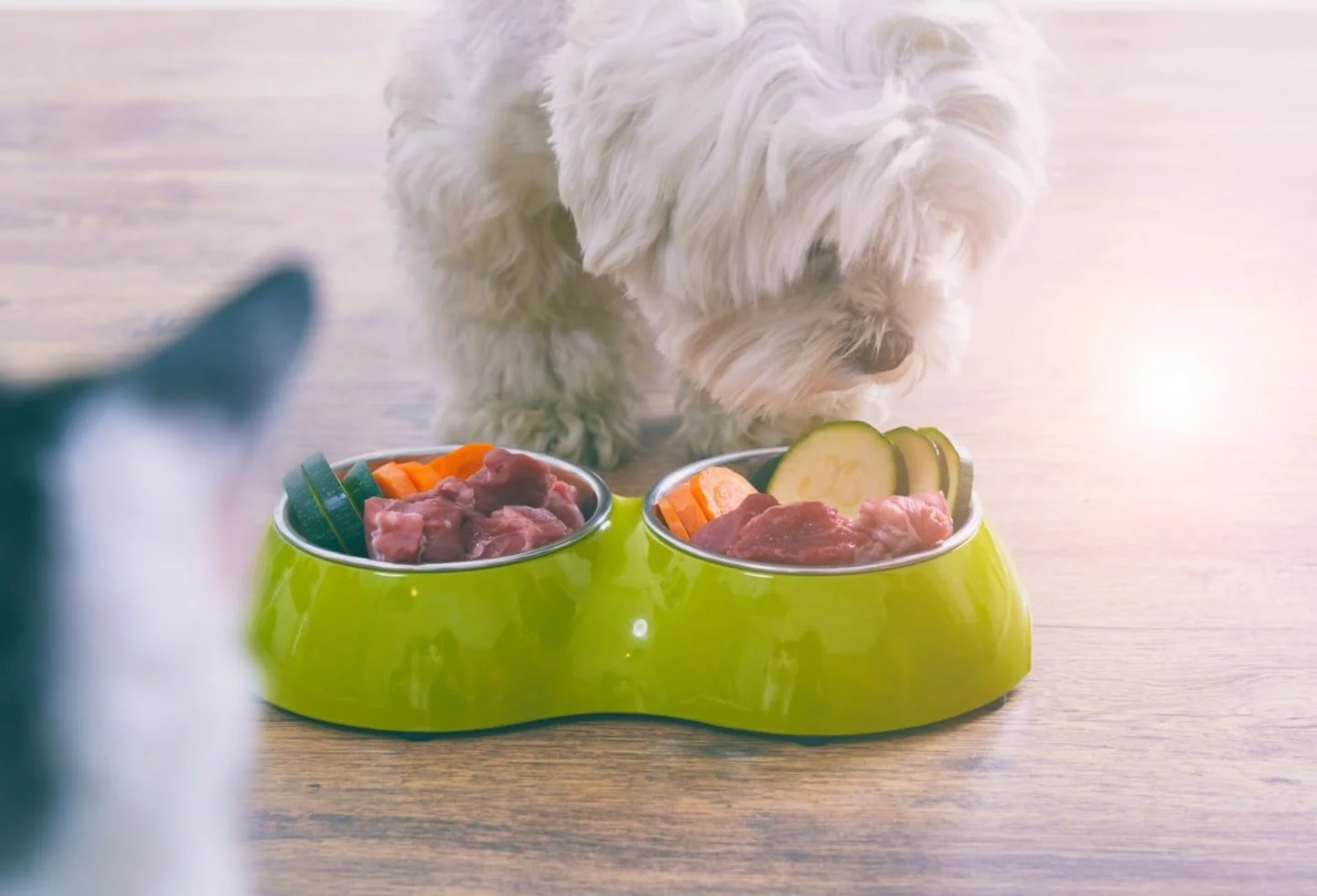
Expert Veterinarian Liz Bales shares her top tips on dog nutrition
By: Doctor Liz Bales
Last Updated:November 13, 2019
If you're like me, watching your dog enjoy food is a great pleasure—next-level when they anticipate a treat. Beyond the bliss, we want the best food for a happy, healthy dog. Almost every food claims to boost nutrition.
But how do you choose? The pet food aisle is full of emotional buzz-words—grain-free, gluten-free—mirroring human nutrition fads. Healthy dog nutrition isn't a fad; the basics are best. Here are my science-based tips.
1– Keeping your dog lean is the #1 most important thing for health. Lean dogs live about 15% longer than overweight ones. For a typical Labrador, keeping lean adds roughly two more years of life.
This amazing fact is overlooked. Currently 56% of American dogs are overweight or obese. Most of us shorten their lives by overfeeding.
For weight loss, science is your friend. Schedule a weight check with your vet, who will calculate your dog's ideal weight and daily calories. Together choose the best food for weight, medical, and age status. Weekly weigh-ins guide adjustments for health and longevity.
2– grain-free food may be dangerous. Dogs are omnivores and do well on meat, grain, and many fruits and vegetables. Grain-free isn't carb-free—it gets carbs from legumes. Emerging science links grain-free diets to dilated cardiomyopathy (DCM) and other heart disease. (vetnutrition.tufts.edu/2019/07/dcmupdate/)
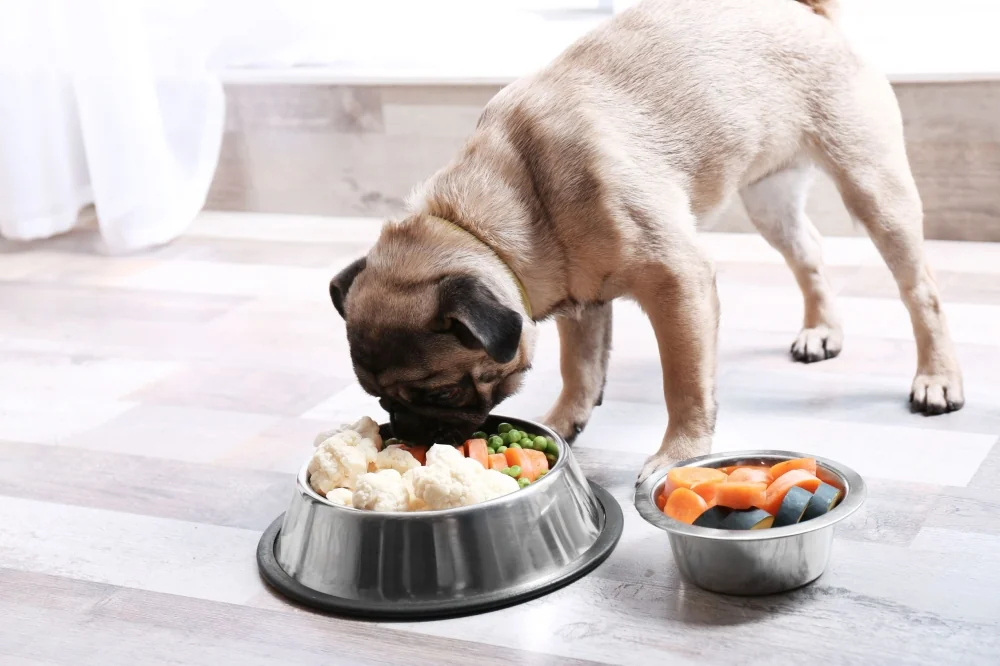
3– Add fresh food to your dog's diet, like these 10 nutritious people foods. Experts agree treats and table scraps should be under 10% of daily calories. Your vet can calculate this. Instead of packaged treats, try fresh food in restricted amounts. Beware—some fruits and vegetables are toxic: never feed grapes, raisins, onions, or garlic.
Healthy options include baby carrots, zucchini, butternut squash, spinach or (my favorite) green beans. You can also feed apples, bananas, pears, or strawberries. Yum!
4– Make meal-time fun time. Most dogs have little to do; they await meals only to scarf the bowl in seconds. Waistlines expand while minds stay idle. Every bowl meal is a missed chance to stimulate. Ditch the bowl—feed in puzzle feeders.
5– Be safe. If you cook regularly for your dog, work with a veterinary nutritionist. Balanced homemade diets are harder than they seem; many are imbalanced per AVMA studies (Stockman et al. 2013). Without meaning to, you may do more harm than good.
Wags and Purrs, Dr. Liz Bales

University of Pennsylvania vet school graduate Dr. Liz Bales has only ever wanted to be a veterinarian. She'd study to become one if not. She loves "helping pets and the people who love them be happy and healthy! Helping people translate complicated medical info into practical care tips is the best part." Beyond vet work, she writes, speaks, and appears on Fox and Friends, ABC News, and Cheddar. She founded Doc and Phoebe and invented the Indoor Hunting Feeder.
Dr. Bales' favorite quote reflects her compassion: "When a human dies there is a bridge they must cross into Heaven. At its head wait every animal that human encountered. The animals, based on what they know, decide who may cross…and who is turned away." With this in mind, she lives by her grandfather's advice: "These days are precious. Don't waste them."
Preparation & feeding steps
four measures from the nutrition desk
Keep all treats under ten percent of the day's total calories.
Rinse and refill the water bowl morning and evening, without fail.
Log your dog's weight weekly and adjust the ration in small steps.
Transition to a new food over seven days: a quarter, then half, then full.