Can My Dog Eat That? A Guide to People Foods


Curious which "people foods" are safe to share with your dog? From mango to clams, see what's okay to offer.
Last Updated:October 1, 2025
Wondering if your dog can have a certain food? We've answered the common "can my dog eat that?" searches! Here's what you can safely share and why.
Remember, treats should be no more than 10 percent of your dog's daily calories. Always start with a tiny amount of any new food to avoid tummy trouble, and ask your vet if unsure.
Can Your Dog Eat These Foods? Keep Reading to Find Out!
Illustration vectorwin/bigstock.com

#1 Can Dogs Eat Clams?
✓Yes, dogs can eat clams.Clams are rich in protein and omega-3 fatty acids. They also supply healthy iron and zinc. Serve a couple cooked clams as a treat rather than a meal. Raw clams aren't toxic, but raw raises the risk of stomach upset. Always give just the meat—never the shell, which could cause a blockage or harm teeth if swallowed.
Illustration vectorwin/bigstock.com

#2 Can Dogs Eat Oysters?
✓Yes, dogs can eat oysters.A fine source of protein, omega-3s, and key minerals like zinc, iron, and selenium, oysters support muscle and, thanks to those Omega-3s, ease inflammation. Serve oysters cooked and plain—lightly baked, sautéed, boiled, or dehydrated. Skip smoked or preserved, salty oysters. Start with part of one, or a whole oyster, based on size.
Illustration seamartini/bigstock.com
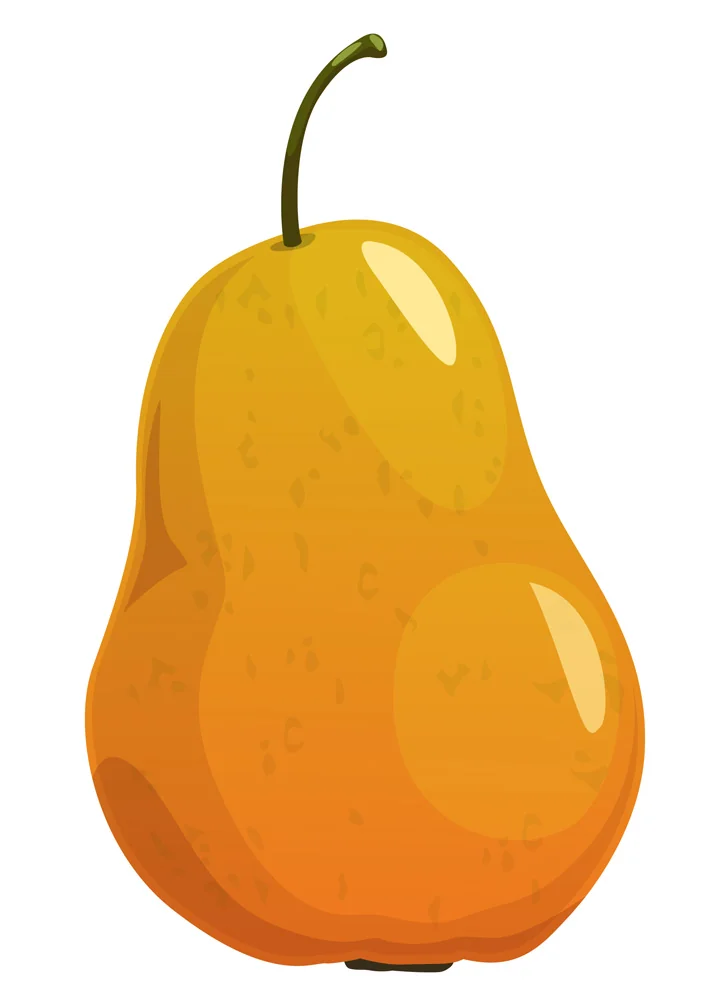
#3 Can Dogs Eat Pears?
✓Yes, dogs can eat pears.Full of fiber, copper, and vitamins C and K, pears make a lovely dog treat. How much? Vet nutritionists say keep snacks, pears included, under 10 percent of daily calories. Small dogs get a slice or two. Skin is fine, but remove the core and seeds first, since seeds hold trace cyanide. Also skip canned pears in syrup.
Bonus: Eating pears (and apples, another great dog treat) may cut stroke risk by about half. A Dutch study found that white-fleshed fruits and veggies were linked to a 52 percent lower stroke risk.
Illustration npavein/bigstock.com
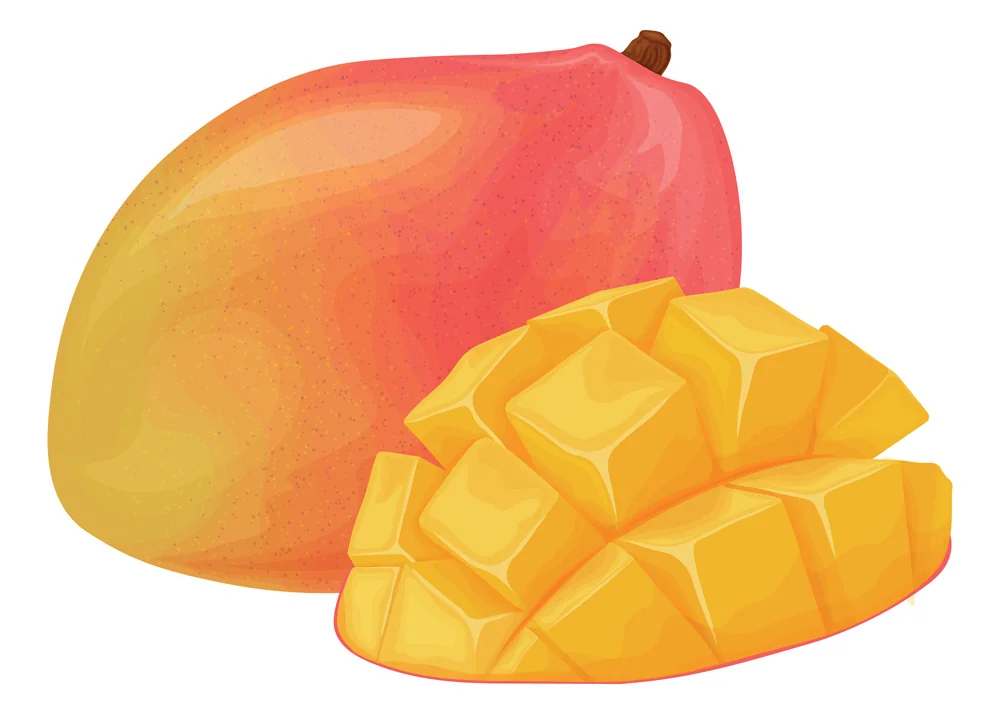
#4 Can Dogs Eat Mango?
✓Yes, dogs can eat mangoes.This sweet fruit is full of vitamins A, B6, C, and E, plus potassium and beta- and alpha-carotene. Just remove the big pit first—it holds a little cyanide and can choke or block if swallowed. Feed mango in moderation, as the fiber may upset the stomach.
Illustration An.Vin/bigstock.com

#5 Can Dogs Eat Mussels?
✓Yes, dogs can eat mussels.Mussels are superb for dogs, especially New Zealand green-lipped mussels. Bursting with omega-3s, minerals, vitamins, amino acids, antioxidants, and enzymes, they aid joint health. They're a natural source of glycosaminoglycans, the main building blocks of cartilage and joint fluid.
Studies show mussels ease discomfort and inflammation in dogs (and people) with arthritis. They support joint mobility, cartilage health, and heart wellness.
You can buy green-lipped mussel powder for dogs, or feed plain steamed or freeze-dried mussels. Freeze-dried keeps more benefits than heat-treated. Give one mussel per 20 pounds of body weight.
Illustration Bro/bigstock.com
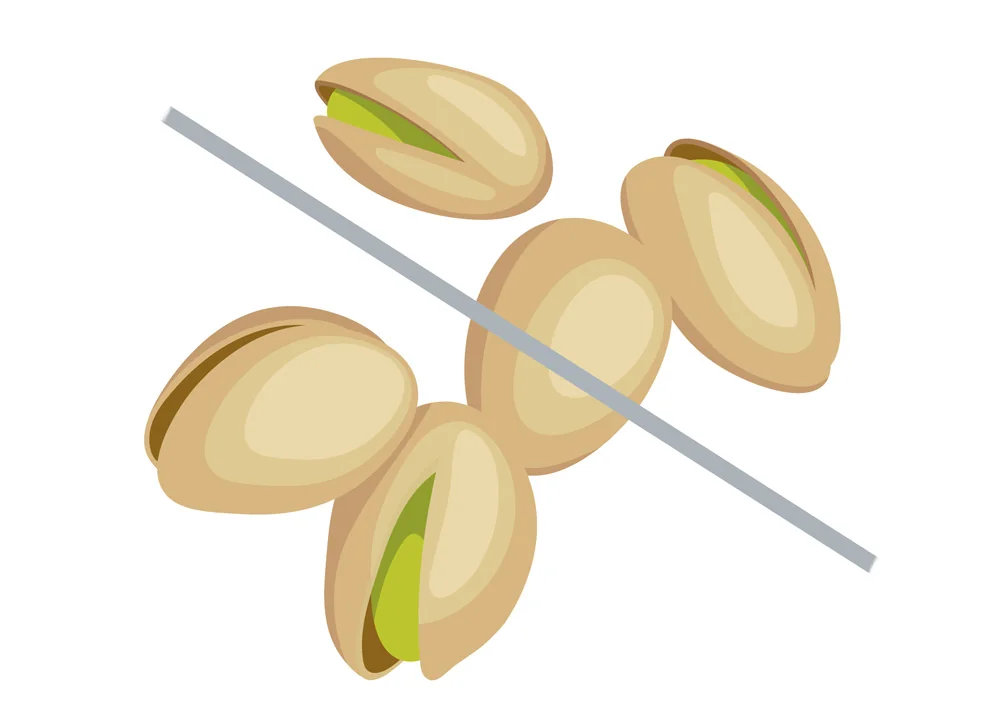
#6 Can Dogs Eat Pistachios?
✕Can dogs eat pistachios? Probably not.Though not toxic, they aren't a great treat. They're very fatty and may trigger pancreatitis. Salted ones worsen things and cause water retention. Shells are a choking and blockage risk. If your dog grabs one or two off the floor, don't panic—but it's best to avoid pistachios. In fact, nuts generally aren't a smart snack for dogs.
Photo Digitalr/bigstock.com
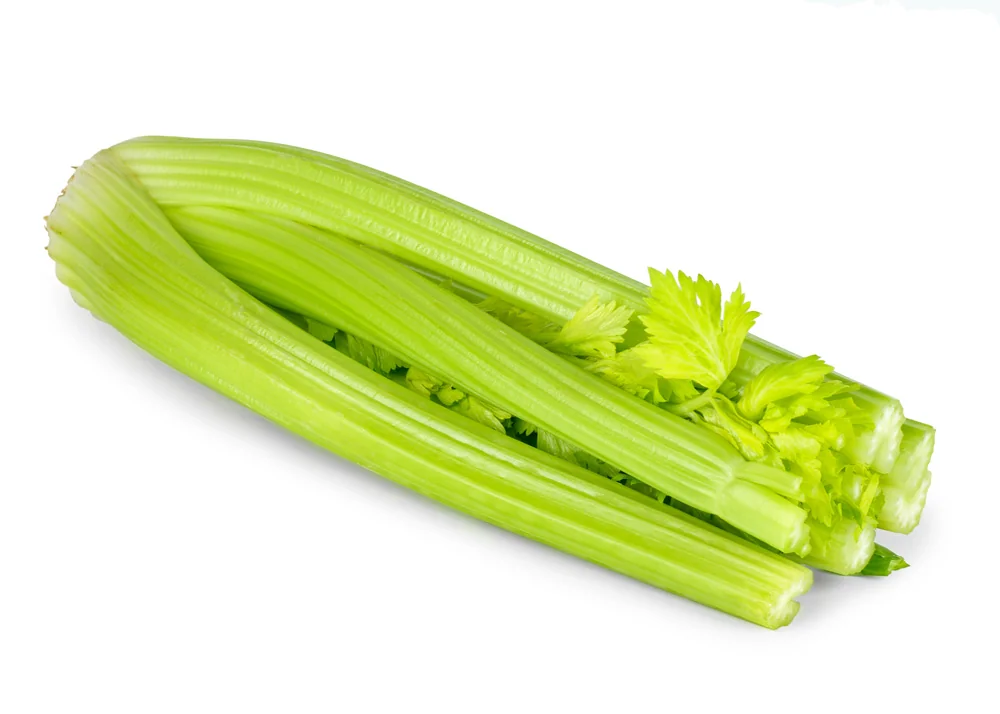
#7 Can Dogs Eat Celery?
✓Yes, dogs can eat celery.Often recommended as a low-calorie snack, it's very low in fat and cholesterol and a good source of fiber, vitamins A, C, and K, folate, potassium, and manganese.
Celery works as a crunchy treat. Start with one or two small pieces. Older dogs may prefer it cooked.
This article originally appeared in the award-winningModern Dogmagazine.Subscribe today!
Preparation & feeding steps
four measures from the nutrition desk
Talk to your vet before adding any supplement to the bowl.
Weigh the meal - a kitchen scale beats a scooping cup every single time.
Introduce one new ingredient at a time, at least three days apart.
Split the daily ration into two or three calm, seated sittings.