Can Dogs Eat Yogurt? The Benefits of Yogurt for Dogs
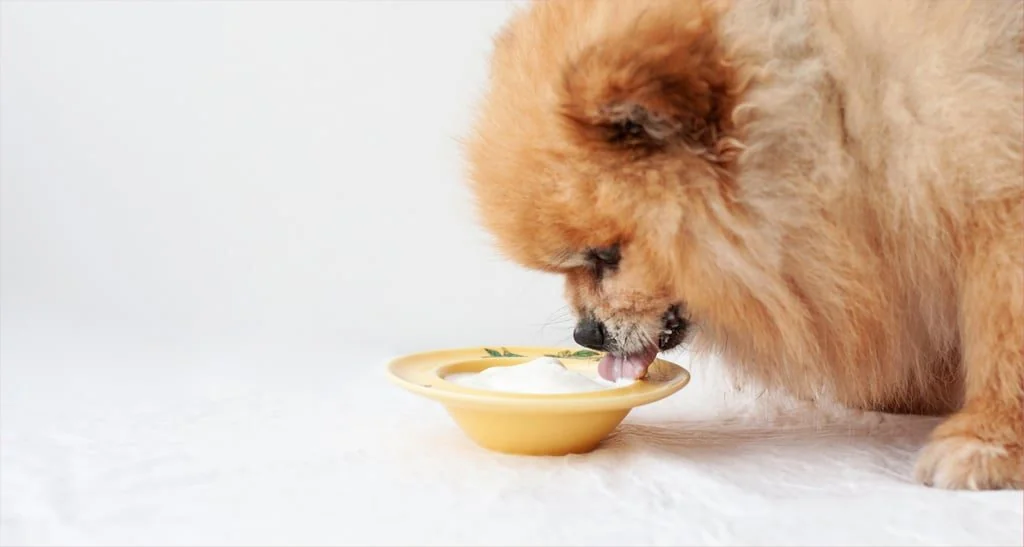
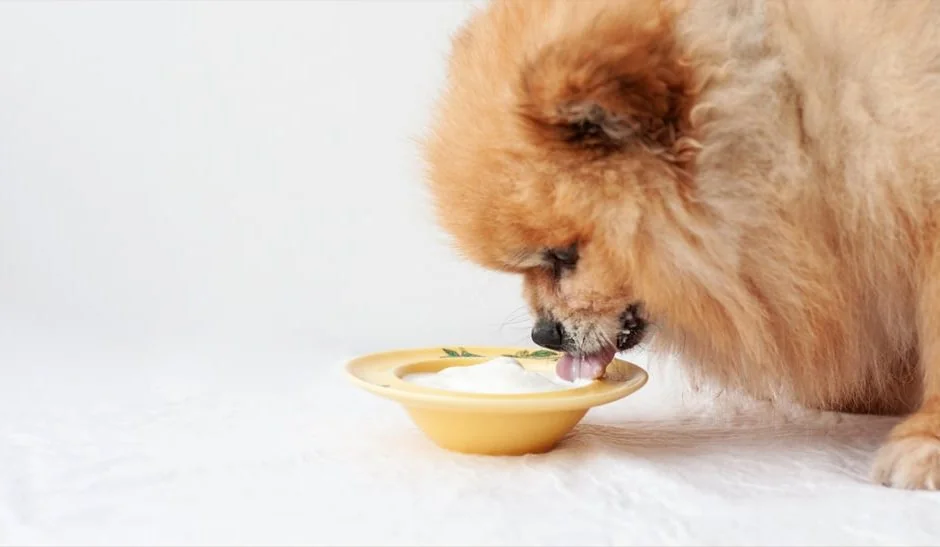
Improved gut health is just one reason to feed this nutrient-packed food. A spoonful of yogurt gives your dog a boost of protein, calcium, and beneficial probiotics
By: Suzi Beber
Last Updated:August 14, 2026
Can dogs eat yogurt? For most dogs, plain yogurt makes a tasty treat with real nutritional benefits. Yogurt brings protein and calcium, and live-culture varieties add beneficial bacteria. But not all yogurt is dog-friendly, so here's what to know before sharing a spoonful.

The History of Yogurt
Yogurt has a long history, going back to the Neolithic peoples of Central Asia around 6000 BC, when herdsmen began milking animals. Back then, storage used animal stomachs, and the milk naturally curdled and fermented thanks to the stomach enzymes.
Yogurt goes by many names worldwide—katyk, dahi, zabadi, mast, leben raib, roba, cuajada, dovga, matsoni—all sharing that history. As early as 6000 BC, Ayurvedic writings noted fermented milk's health benefits. Genghis Khan is said to have fed his army yogurt, believing it instilled bravery—more likely it calmed stormy stomachs.
Stamen Grigorov, a Bulgarian medical student, first explained yogurt's benefits by discovering Bacillus bulgaricus, still used in today's cultures. The first yogurt lab and factory opened in France in 1932—today's Danone.
What Are the Benefits of Yogurt for Dogs?
Dr. Martin Goldstein, author of The Nature of Animal Healing, says healing starts with food. Of yogurt he writes, "Just as it helps us by providing friendly bacteria for our digestive tracts, so it helps pets, especially those with gas or diarrhea, and should be given with antibiotics for digestive support."
The probiotics in live-culture yogurt support a dog's gastrointestinal system and boost immunity.
Adding yogurt provides valuable protein and calcium, along with magnesium, potassium, vitamin D, K2 enzymes, essential fatty acids and whey, and its probiotics support the GI system and immunity.
Yogurt Following Antibiotics
If your dog is on antibiotics, the probiotics in a dollop of yogurt can restore healthy intestinal flora via strains like Lactobacillus bulgaricus, Streptococcus thermophiles, L. acidophilus, L. casei, and Bifidus. No wonder yogurt is considered a world superfood.
Make Your Own Pet-Friendly, Probiotic-Packed Old Fashioned Yogurt
This recipe was taught to me years ago—a generations-old Eastern European recipe. It really works and is great for your whole family, dogs included!
Ingredients *Choose organic whenever possible.

What Kind of Yogurt Can Dogs Eat?

When buying store-bought yogurt, read labels to ensure no artificial colours or flavours, and no added sugar or substitutes—especially xylitol, which is toxic to pets.
Introduce slowly. Dogs with lactose intolerance may get gas, diarrhea, or vomiting.
Yogurt offers lots of goodness to your whole family and can be a beneficial addition to your dogs' daily diet or as a nutrient-dense treat.
For More Great DIYs go to moderndogmagazine.com/diy-projects
Preparation & feeding steps
four measures from the nutrition desk
Split the daily ration into two or three calm, seated sittings.
Keep all treats under ten percent of the day's total calories.
Rinse and refill the water bowl morning and evening, without fail.
Log your dog's weight weekly and adjust the ration in small steps.