Don't Feed This Type Of Peanut Butter To Your Dog
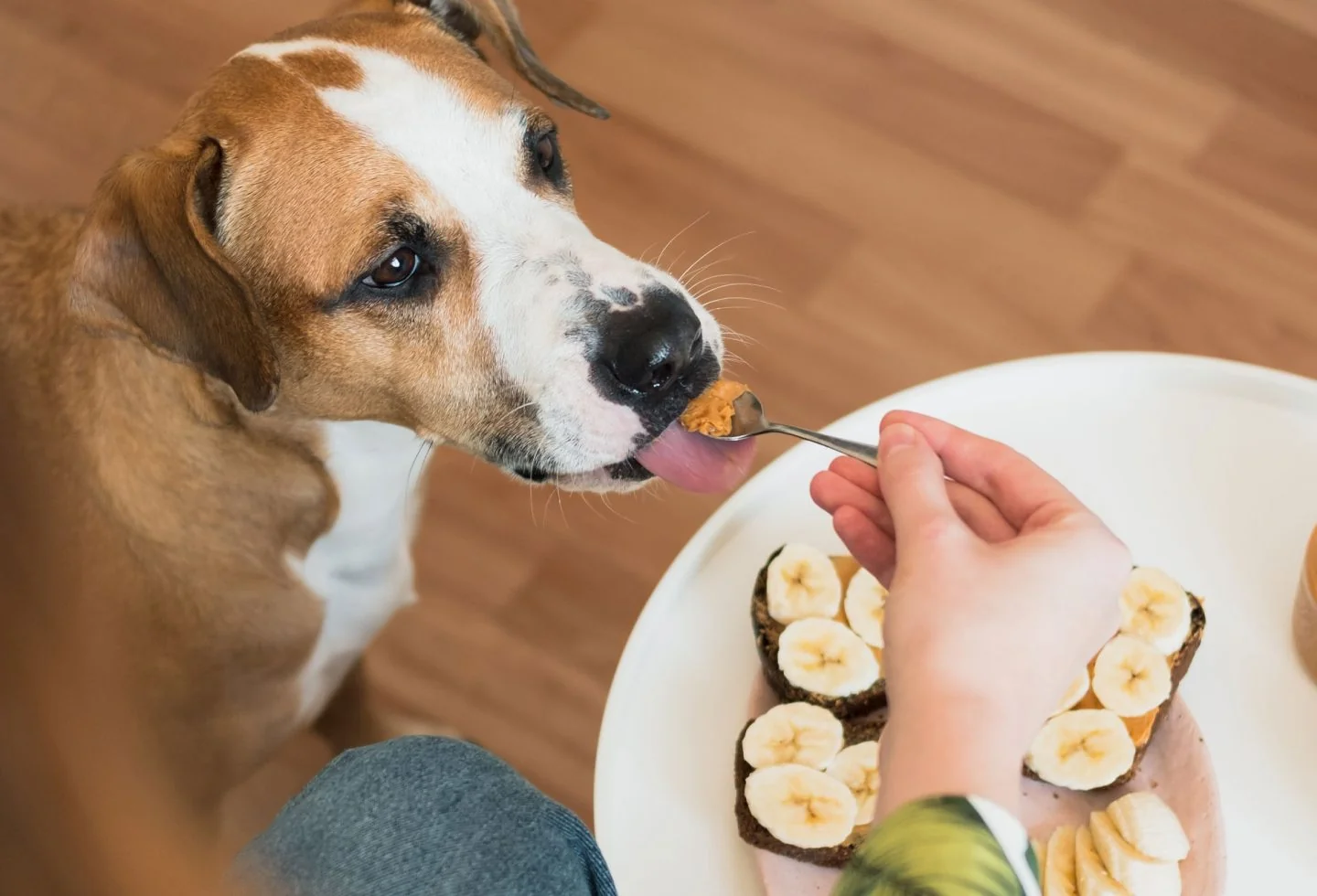
Be sure to read the label: some peanut butters contain xylitol, toxic to dogs!
Last Updated:October 22, 2025
Peanut butter and dogs—a natural fit, right? Most dogs love it and it's ideal for hollow toys or hiding pills. But increasingly, xylitol, a sugar substitute in gum, yogurt, candy, and more, is used in some peanut and nut butters. Safe for humans, xylitol is extremely toxic and life-threatening for dogs.
Though safe for humans, xylitol—commonly found in peanut butter—is extremely toxic for dogs and can be life-threatening.
"If you feed your dog pills coated in peanut butter, or put peanut butter in hollow chew toys, make sure to check the ingredients first to ensure it doesn't contain xylitol," said Carmela Stamper, an FDA veterinarian.
Paws off! Xylitol, Commonly Found in Peanut Butters, is Toxic to Dogs
Dogs that ingest xylitol require immediate treatment. Xylitol poisoning can cause seizures, liver failure, and possibly death. Anyone who suspects ingestion should contact their vet or the Pet Poison Helpline immediately. Symptoms appear quickly: vomiting, muscle weakness, tremors, and difficulty walking.
These Peanut Butter Brands Are NOT Safe for Dogs
Peanut butter brands with xylitol include Go Nuts, Co., Krush Nutrition, Nuts 'N More, P28 Foods, and No Cow (formerly D's Naturals). Xylitol-free peanut butter is absolutely safe and a healthy treat—just read the label! Brands with added sugars and palm oil (a key culprit in orangutan habitat destruction) may be technically safe but not ideal.
Clues on the label: "Sugar Free" or "Natural sweetener" may signal xylitol, labeled as "sugar alcohol," wood sugar, birch sugar, and birch bark extract. Only choose unsweetened peanut butters for your dog.
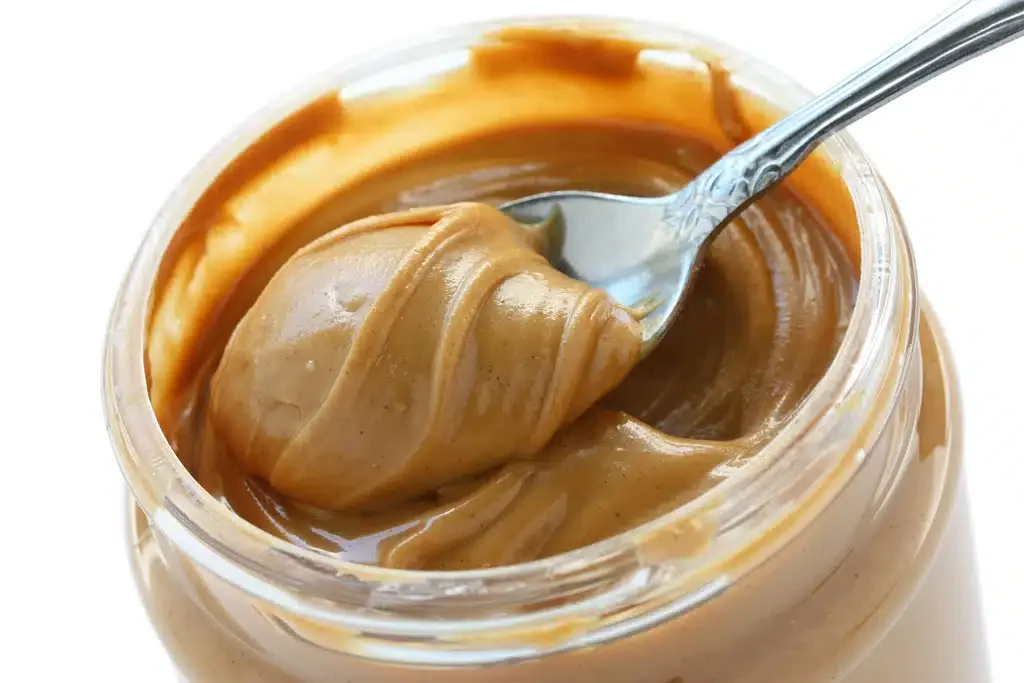
Other Ingredients in Peanut Butter to Watch Out For
Grocery staples like Jif, Skippy, Smuckers, and Peter Pan are xylitol-free, but may contain sugar, preservatives, and other unhealthy ingredients.
The following common peanut butter brands contain added trans fats, sweeteners, and other unnecessary ingredients. Pet owners should not share these with their dog.
In short, xylitol-free doesn't always mean okay for your dog. Some "natural" peanut butters like Skippy Natural or Jif Natural are xylitol-free but not recommended due to additives like syrups and trans fats.
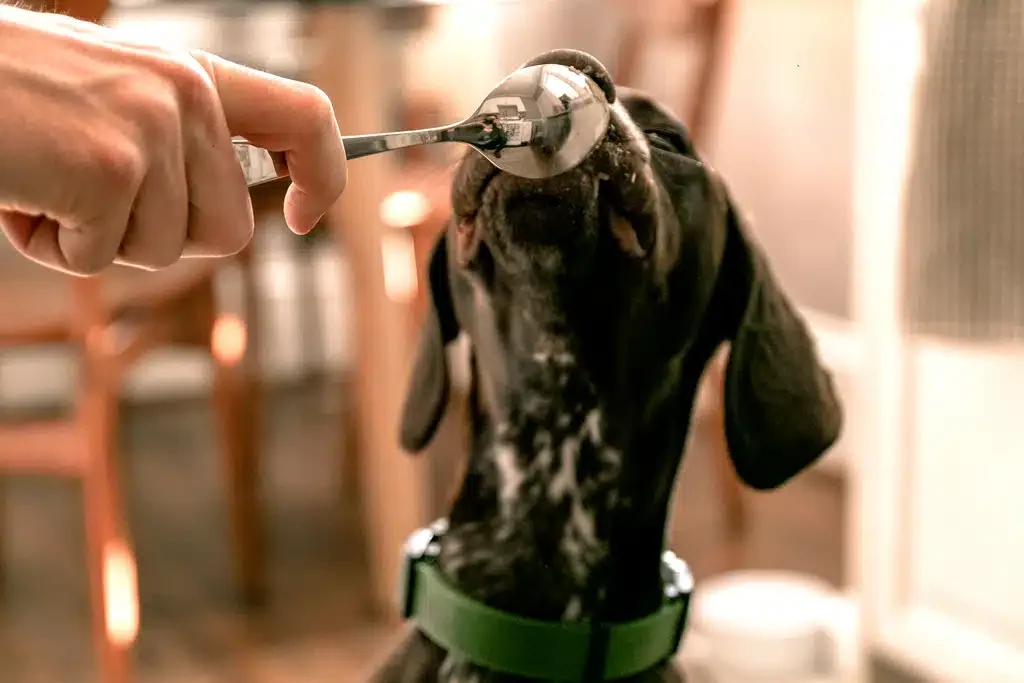
Elizabeth Foley/Shutterstock
Which Brands of Peanut Butter Are Safe For Your Dog
When choosing peanut butter for dogs, it's essential to choose one without xylitol, a sweetener toxic to dogs. Stick to natural peanut butters with just peanuts. Better for you and your dog!
Here are some safe peanut butter choices for dogs:
Always introduce new foods gradually and in moderation.
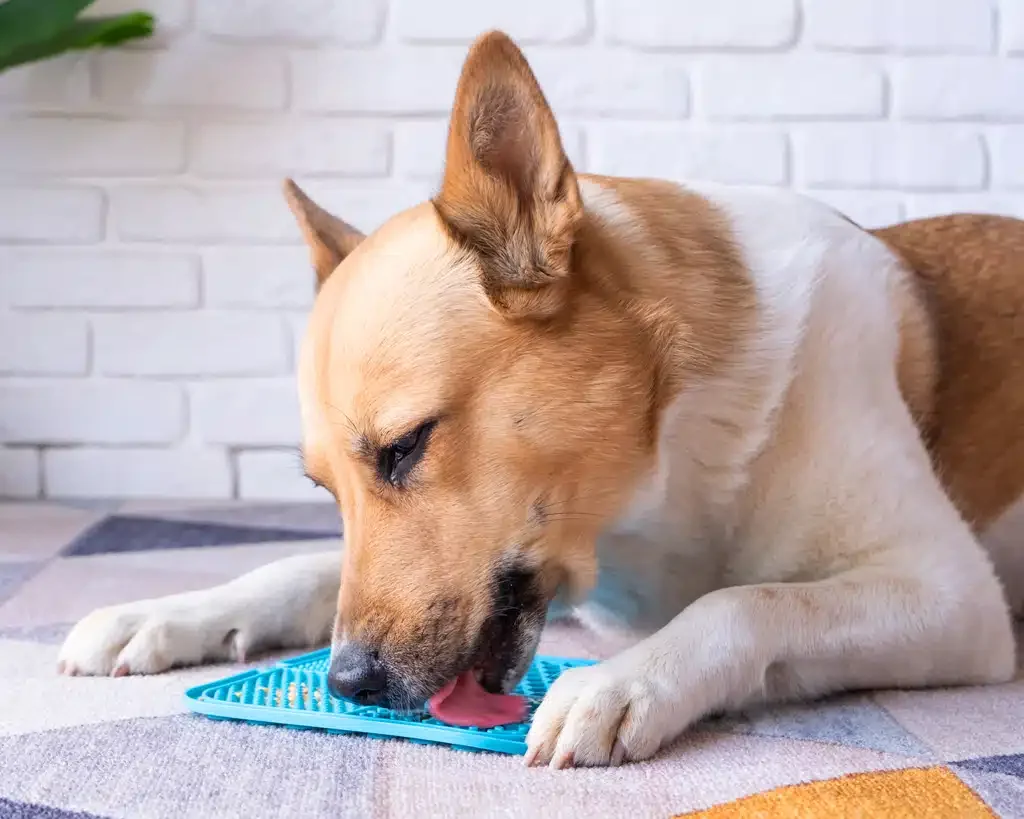
dark blade/Adobe Stock
How to Make Safe Homemade Peanut Butter for Your Dog
Making homemade peanut butter for your dog is simple and safe! Here's a quick recipe:
What Happens if My Dog Eats Peanut Butter With Xylitol in It?
If your dog eats peanut butter with xylitol, it can be very dangerous. Xylitol is toxic and causes a rapid insulin release, leading to a significant drop in blood sugar (hypoglycemia). Symptoms may include:
In severe cases, it can lead to liver failure or even be fatal.
If you suspect xylitol ingestion, seek veterinary help immediately. Time is critical!
This article originally appeared in the award-winning Modern Dog magazine. Subscribe today!
Preparation & feeding steps
four measures from the nutrition desk
Transition to a new food over seven days: a quarter, then half, then full.
Talk to your vet before adding any supplement to the bowl.
Weigh the meal - a kitchen scale beats a scooping cup every single time.
Introduce one new ingredient at a time, at least three days apart.